






What's Happening?
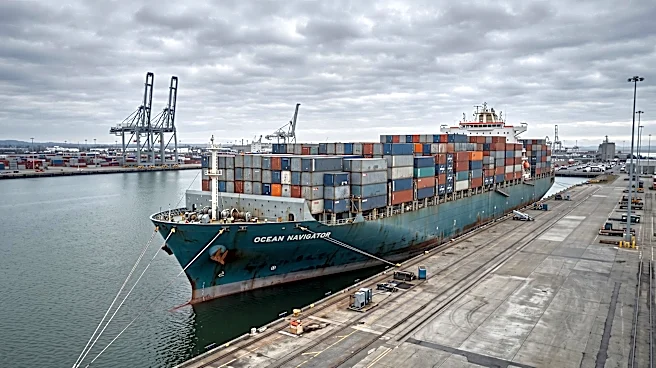
The North Carolina State Ports Authority has formally requested that the Army Corps of Engineers temporarily halt the Wilmington Harbor Navigation Expansion project. This significant infrastructure undertaking, valued at $1.3 billion, aims to deepen the Wilmington Harbor.
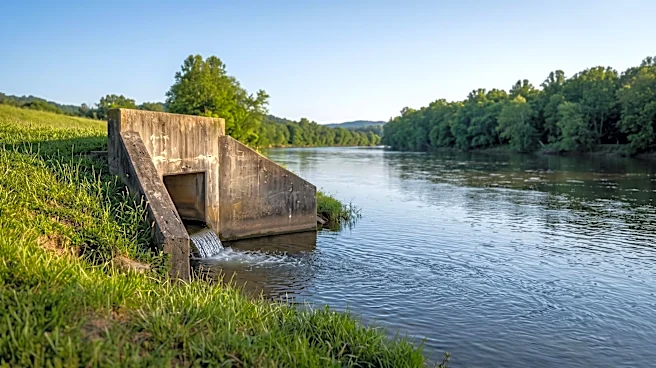
The Ports Authority's decision to seek a pause stems from growing concerns regarding the potential environmental impact of the project, specifically related to per- and polyfluoroalkyl substances (PFAS) contamination. The request indicates a need for further evaluation and mitigation strategies to address these environmental issues before proceeding with the deepening efforts. This development highlights a conflict between economic development goals and environmental protection, as the project's benefits for shipping and trade are being weighed against its potential ecological consequences.
Why It's Important?
This request to pause the Wilmington Harbor deepening project carries significant implications for both environmental policy and economic development in North Carolina. The presence of PFAS, often referred to as 'forever chemicals,' poses serious health and environmental risks, and any project that could exacerbate their spread or impact is subject to intense scrutiny. For the U.S. shipping industry, delays in harbor deepening projects can affect port competitiveness and the ability to accommodate larger vessels, potentially impacting supply chains and trade efficiency. Environmentally, this situation underscores the ongoing challenge of managing industrial development in areas with existing contamination concerns. The outcome of this request could set a precedent for how future large-scale infrastructure projects address environmental liabilities, particularly those involving persistent pollutants like PFAS. It also highlights the increasing role of state authorities in challenging federal projects on environmental grounds.
What's Next?
The Army Corps of Engineers will now need to respond to the North Carolina State Ports Authority's request to pause the Wilmington Harbor deepening project. This response will likely involve a review of the environmental concerns raised, particularly those related to PFAS contamination. Further environmental impact assessments or studies may be commissioned to thoroughly evaluate the risks and potential mitigation strategies. Stakeholders, including environmental groups, local communities, and businesses reliant on the port, will closely monitor these developments. The decision by the Army Corps could lead to a temporary suspension of the project, a re-evaluation of its scope, or the implementation of additional environmental safeguards. The timeline for any resolution remains uncertain, but the immediate next step involves the Army Corps' official reaction to the Ports Authority's concerns.
Beyond the Headlines
The controversy surrounding the Wilmington Harbor deepening project extends beyond immediate environmental and economic considerations, touching upon broader issues of environmental justice and long-term public health. PFAS contamination has been a significant concern in North Carolina, particularly in communities near industrial sites. This project brings to the forefront the ethical dilemma of balancing economic growth with the protection of vulnerable populations and ecosystems from persistent pollutants. The decision-making process will likely involve complex scientific assessments, legal interpretations, and public discourse, potentially influencing future regulatory frameworks for infrastructure development in contaminated areas. It also highlights the evolving understanding of environmental risks and the increasing demand for accountability from both government agencies and industrial entities in managing these challenges.