







What's Happening?
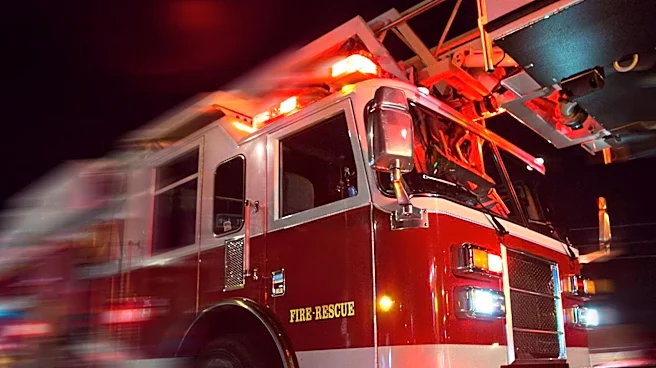
Voters in the Lisbon-Mount Vernon area have overwhelmingly approved a special election measure to establish the Lisbon-Mount Vernon Area Benefited EMS District. This new district aims to provide crucial funding for the Lisbon-Mount Vernon Ambulance Service,
which currently relies heavily on volunteers with only one full-time employee. The measure passed with over 90% support across all four proposed districts in both Linn and Johnson counties. The approved levy is projected to generate approximately $320,000 annually, starting in the fall of 2027. This funding will enable the ambulance service to hire additional full-time employees, with a specific goal of ensuring a paramedic is available around the clock. The increased staffing is expected to significantly improve response times, addressing the growing demand for ambulance services in the region, which has seen call volumes double in less than a decade. The unofficial results from Tuesday's special election are pending canvassing.
Why It's Important?
This voter-approved measure is critical for enhancing emergency medical services in the Lisbon-Mount Vernon area, directly impacting public safety and health outcomes. The current reliance on a largely volunteer force and a single full-time employee has created challenges in meeting the increasing demand for ambulance services. By securing dedicated funding through a property tax levy, the district can transition to a more robust, professionally staffed service. This shift is vital for reducing response times, which can be a determining factor in medical emergencies, potentially saving lives and mitigating long-term health complications. For residents, the increased property tax of approximately $64 per year on a $200,000 home represents an investment in essential community infrastructure. The success of this measure also highlights a growing trend in smaller communities recognizing the need for stable, locally funded emergency services as volunteer numbers decline and demand rises, setting a precedent for similar initiatives in other regions facing comparable challenges.
What's Next?
Following the overwhelming approval, the next steps involve the official canvassing of the election results to confirm the measure's passage. Once certified, the Lisbon-Mount Vernon Area Benefited EMS District will begin the process of establishing its operational framework and financial management. The district is expected to start collecting the approved levy, which will generate approximately $320,000 annually, beginning in the fall of 2027. In the interim, the Lisbon-Mount Vernon Ambulance Service will likely commence planning for the recruitment and hiring of additional full-time paramedics and other essential staff. This period will also involve strategic planning to optimize resource allocation and integrate new personnel to achieve the goal of 24/7 paramedic availability. Community leaders and the ambulance service will need to communicate these developments to residents, ensuring transparency regarding the implementation of the new funding and its impact on service delivery.
Beyond the Headlines
The successful passage of this EMS district measure reflects a broader societal recognition of the critical role of local emergency services and the challenges they face in an evolving healthcare landscape. The reliance on volunteerism, while commendable, is often unsustainable in the long term due to increasing training requirements, time commitments, and the growing complexity of emergency medical care. This vote signifies a community's willingness to directly invest in its public safety infrastructure, moving towards a more professionalized and reliable emergency response system. It also underscores the financial pressures on local governments to provide essential services, often necessitating direct community funding mechanisms like special levies. The outcome in Lisbon-Mount Vernon could serve as a model for other rural and semi-rural communities across the U.S. grappling with similar issues of understaffed or volunteer-dependent emergency services, prompting discussions about sustainable funding models and the future of local healthcare provision.