









What's Happening?
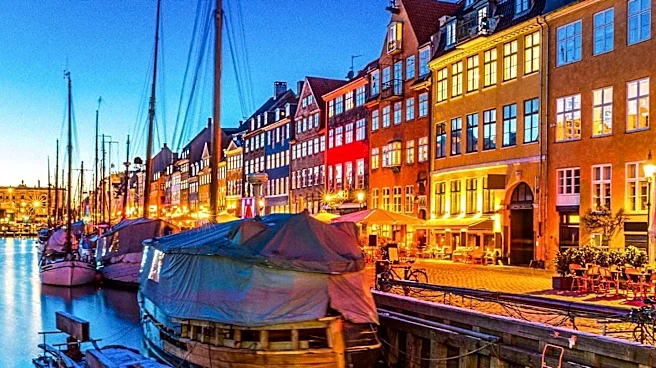
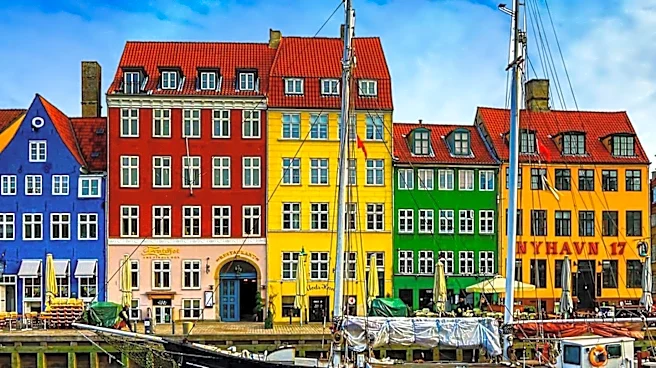
The Economist Intelligence Unit (EIU) has released its annual global ranking of the most livable cities, with Copenhagen, Denmark, maintaining its position as the top city. The ranking evaluates 173 cities based on five key measures: stability, healthcare,
culture and environment, education, and infrastructure. Copenhagen excelled across all categories, achieving perfect scores in education, infrastructure, and stability. Vienna, Austria, which previously held the top spot, continues to perform well, particularly in healthcare. Notably, Tokyo, Japan, made a significant climb into the top ten, despite challenges typically faced by large, densely populated cities. The list highlights a strong presence of cities from Western Europe, with North America following. However, no U.S. cities made it to the top ten, indicating a competitive global landscape for urban livability.
Why It's Important?
The absence of U.S. cities from the top ten most livable cities list underscores potential areas for improvement in urban living standards within the United States. This ranking can influence international perceptions of U.S. cities, potentially affecting tourism, expatriate decisions, and international business investments. The emphasis on factors such as healthcare, education, and infrastructure highlights areas where U.S. cities may need to focus to enhance their global standing. Additionally, the success of cities like Copenhagen and Vienna in maintaining high livability scores could serve as models for urban development and policy-making in the U.S., encouraging a reevaluation of priorities in urban planning and public services.
What's Next?
U.S. cities may need to assess and address the factors contributing to their absence from the top ten list. This could involve strategic investments in public infrastructure, healthcare systems, and educational facilities to improve overall livability. Urban planners and policymakers might look to the strategies employed by top-ranking cities like Copenhagen and Vienna to identify best practices that could be adapted to the U.S. context. Additionally, there may be increased pressure on local governments to enhance quality of life metrics to attract and retain residents, businesses, and tourists.