






What's Happening?
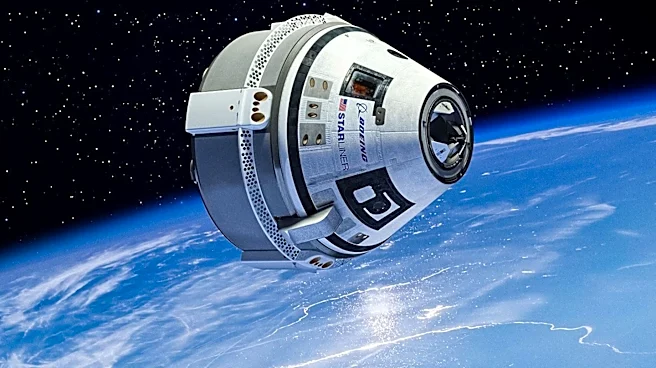
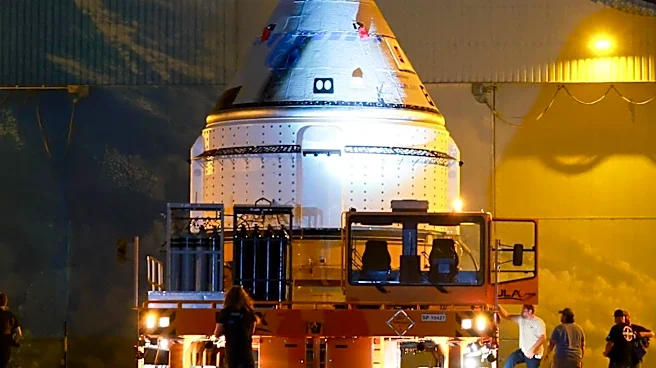
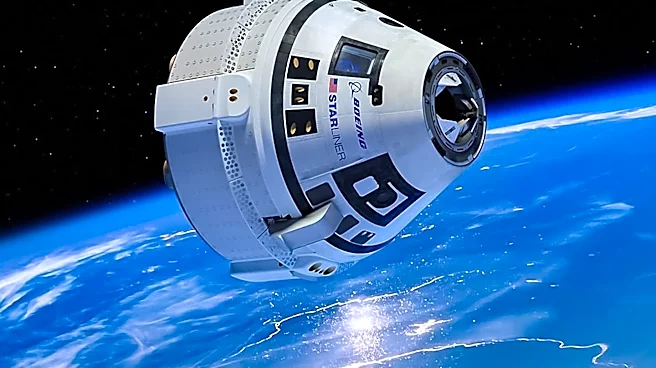
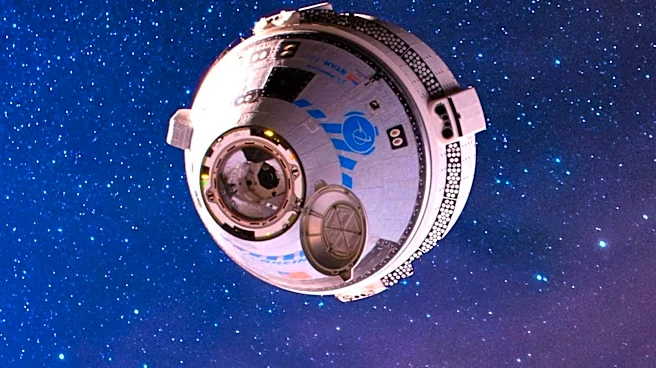
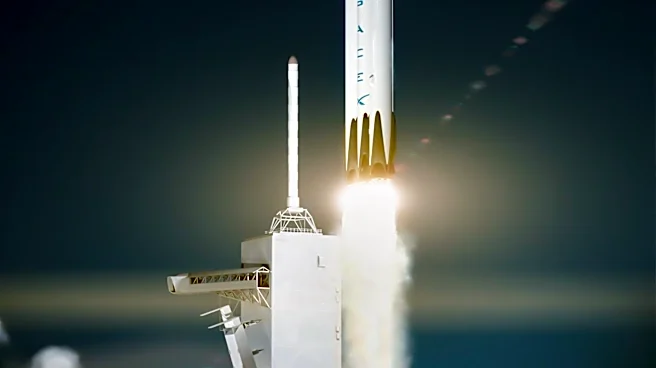
NASA's inspector general has released an audit indicating that Boeing's Starliner crew capsule is unlikely to be certified for operational flights to the International Space Station (ISS) until next year. This certification delay places the Starliner nearly
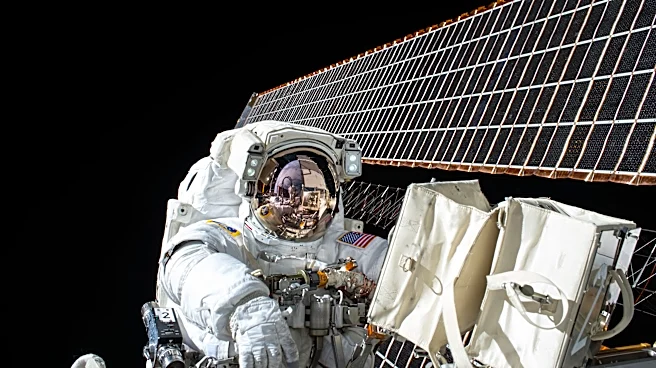
a decade behind its original schedule, which aimed for operational readiness by 2017. The audit highlights ongoing technical issues, including helium leaks and overheating control thrusters, which have plagued the Starliner program. Despite a successful Crew Flight Test in 2024, where astronauts Butch Wilmore and Suni Williams were transported to the ISS, the capsule was deemed unreliable for their return, necessitating their return via SpaceX's Crew Dragon. NASA has responded by reducing Boeing's contracted crew rotation missions and increasing reliance on SpaceX to ensure continuous crew presence on the ISS.
Why It's Important?
The delays in Boeing's Starliner program have significant implications for NASA's crew transportation strategy. With the ISS scheduled for retirement in 2030, the timely availability of reliable crew transport is critical. The setbacks have led NASA to cut Boeing's contracted missions, reducing the company's financial stake by approximately $500 million. This shift underscores the increasing dependence on SpaceX's Crew Dragon, which has been certified for regular missions since 2020. The situation highlights the challenges in developing new space technologies and the importance of having multiple reliable partners to maintain operational continuity for the ISS.
What's Next?
NASA has agreed to implement six recommendations from the inspector general to address the Starliner's issues, including developing a comprehensive schedule for future missions. The timeline for the next Starliner mission, a cargo flight designated Starliner-1, remains uncertain, with its launch date under review. NASA aims to resolve the technical issues by the end of the year, but the likelihood of launching before 2027 appears slim. The agency will continue to monitor the remaining technical challenges, particularly the parachute anomalies, to ensure safety and reliability in future missions.