






What's Happening?
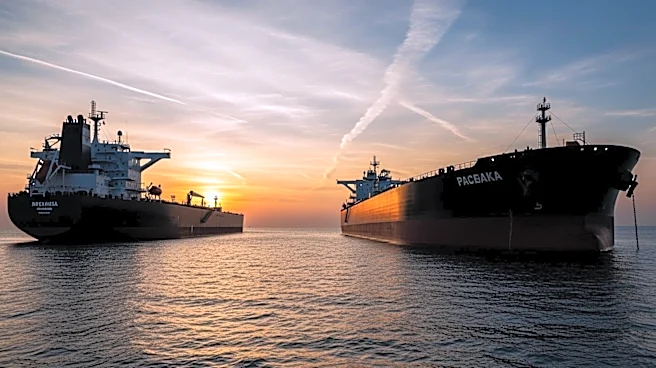
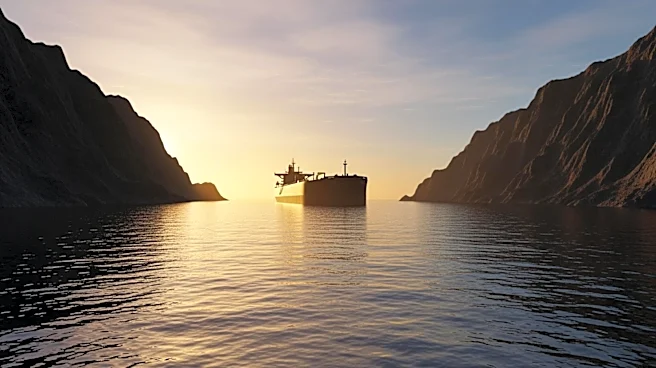
Iran is set to unveil a new mechanism to manage traffic through the Strait of Hormuz, according to Ebrahim Azizi, head of the Iranian parliament's national security committee. This system will regulate commercial vessels and charge fees for specialized
services. The mechanism aims to ensure the security of international trade and will only benefit vessels cooperating with Iran. This development comes as the U.S. considers renewing Project Freedom, a previously paused operation to guide vessels through the strait, amid ongoing U.S.-Iran peace negotiations.
Why It's Important?
The Strait of Hormuz is a critical chokepoint for global oil shipments, and Iran's new management system could significantly impact international trade routes and shipping costs. By charging fees for passage, Iran could exert greater control over this vital maritime corridor, potentially affecting global oil prices and supply chains. The U.S.'s potential renewal of Project Freedom indicates ongoing strategic interests in maintaining open and secure passage through the strait, highlighting the geopolitical significance of this region.
What's Next?
Iran's announcement may lead to increased diplomatic tensions with countries reliant on the Strait of Hormuz for oil transport. The U.S. may respond by advancing its own maritime security initiatives, potentially renewing Project Freedom to ensure safe passage for international vessels. This situation could prompt further negotiations between Iran and global powers to address security and economic concerns related to the strait. Stakeholders, including shipping companies and oil producers, will closely monitor developments to assess potential impacts on their operations.