



What's Happening?
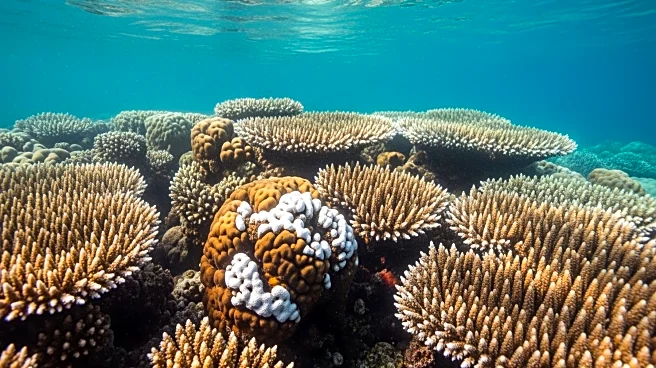
A report by the Global Coral Reef Monitoring Network reveals that Caribbean coral reefs have lost nearly half of their hard coral cover since 1980, primarily due to climate change-induced warming waters. The report, involving over 200 scientists from
44 countries, highlights the vulnerability of these ecosystems to rising sea temperatures, which cause coral bleaching and increased susceptibility to disease. The decline is exacerbated by local human activities, such as pollution and overfishing, which further stress the reefs.
Why It's Important?
Caribbean coral reefs are vital for marine biodiversity, supporting fisheries, tourism, and coastal protection. Their decline threatens the livelihoods of millions who depend on these ecosystems for food and income. The loss of coral reefs also reduces natural barriers against storms and erosion, increasing the vulnerability of coastal communities to climate impacts. The situation calls for urgent action to mitigate climate change and manage local environmental pressures.
What's Next?
Scientists are advocating for the inclusion of coral reefs in regional climate and biodiversity plans, emphasizing the need to reduce local pressures and global emissions. Strengthening marine protected areas and promoting sustainable practices are critical steps to preserve these ecosystems. International cooperation and funding will be essential to implement effective conservation strategies.