








What's Happening?
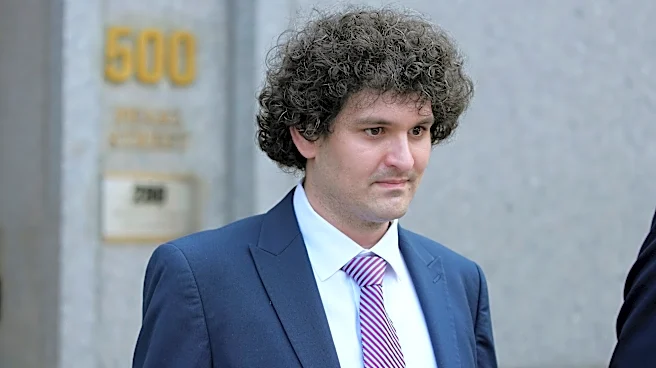
A federal appeals court has upheld the fraud conviction of Sam Bankman-Fried, the founder of the cryptocurrency exchange FTX. Bankman-Fried, who is serving a 25-year prison sentence, was convicted of orchestrating a massive financial fraud that led to the collapse
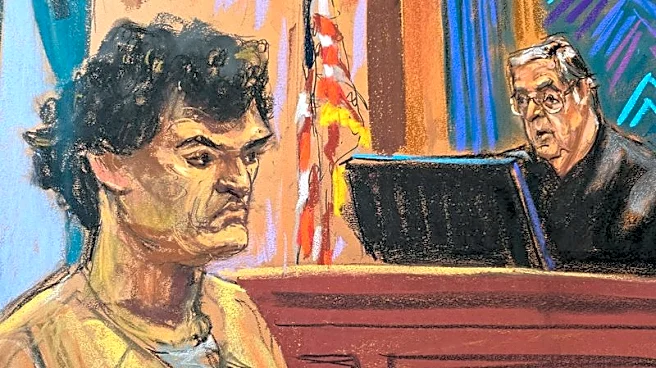
of FTX. The court's decision comes after a federal judge previously denied his request for a new trial, which was based on claims of newly discovered exculpatory witnesses. Bankman-Fried has also submitted an application for a presidential pardon. He was charged with multiple counts of fraud, conspiracy, and money laundering, accused of misusing customer deposits to cover losses at his hedge fund and for personal expenses. The court's ruling reinforces the original jury's decision, which found him guilty on all charges.
Why It's Important?
The upholding of Sam Bankman-Fried's conviction is significant as it underscores the legal system's stance on financial fraud within the cryptocurrency sector. This case highlights the vulnerabilities and potential for misconduct in the rapidly evolving digital currency market. The decision serves as a warning to other industry players about the severe consequences of fraudulent activities. It also reflects the judiciary's commitment to holding individuals accountable for large-scale financial crimes, which can have widespread economic repercussions. The case has drawn attention to the need for stricter regulatory oversight in the cryptocurrency industry to protect investors and maintain market integrity.
What's Next?
Following the appeals court's decision, Bankman-Fried's legal team may consider further legal options, such as requesting a hearing from all active judges on the 2nd Circuit or appealing to the U.S. Supreme Court. Meanwhile, his application for a presidential pardon remains pending. The outcome of these actions could influence future legal strategies for individuals facing similar charges. Additionally, the case may prompt regulatory bodies to accelerate efforts to implement more robust frameworks for monitoring and regulating cryptocurrency exchanges to prevent similar incidents.