
What's Happening?
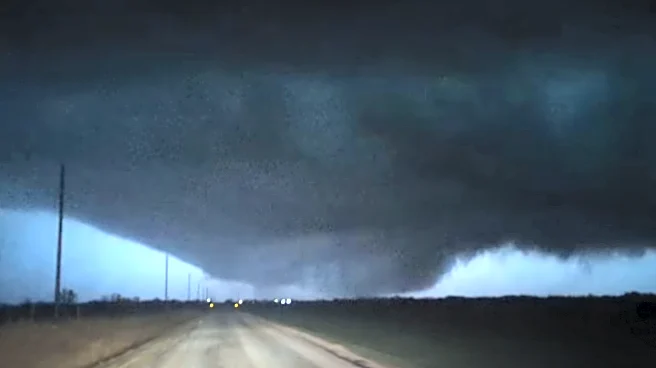
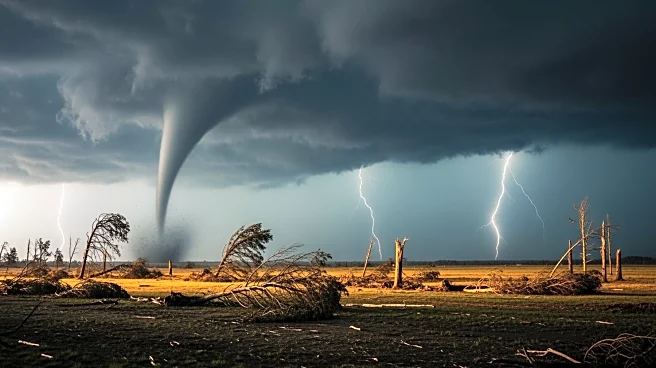
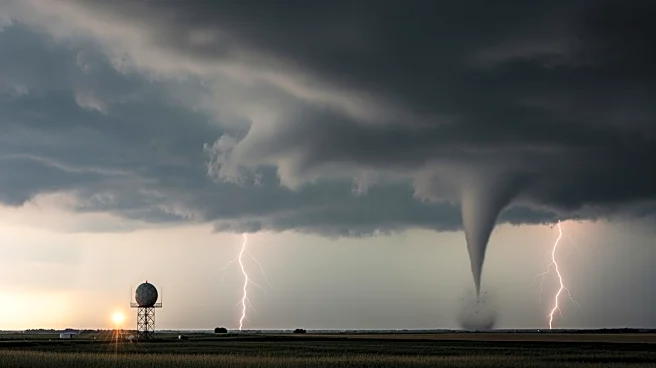
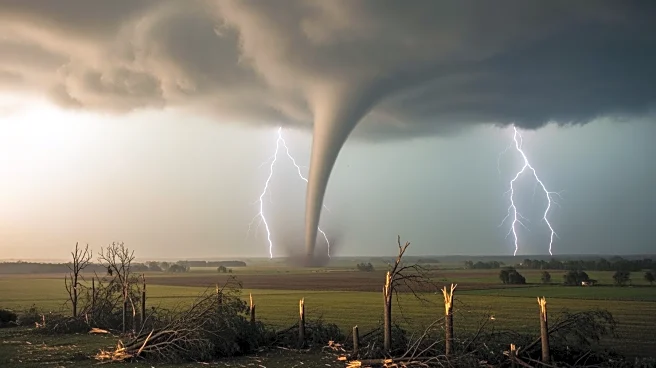
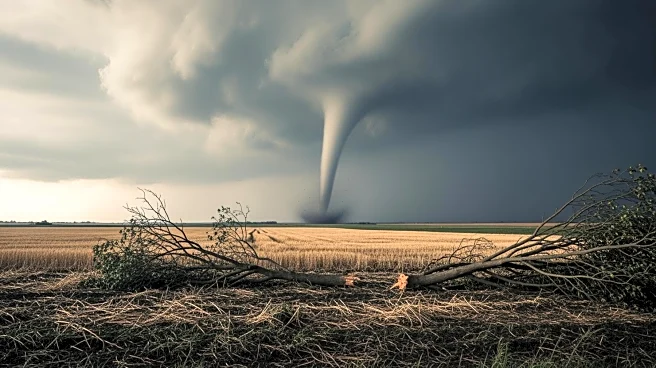
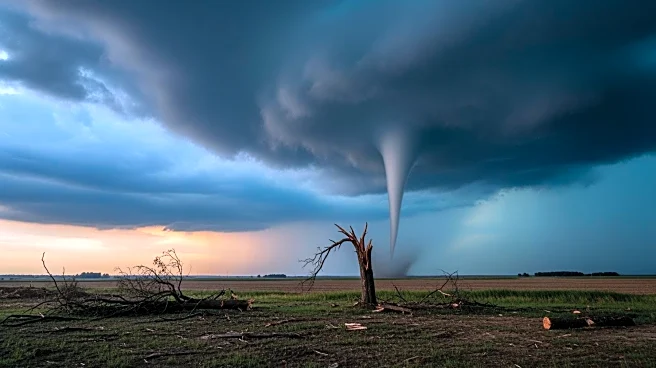
A series of tornadoes struck southwest Michigan on Friday, causing significant damage and resulting in fatalities. The National Weather Service's Storm Prediction Center did not issue a tornado watch prior to the storm, as the conditions were highly localized
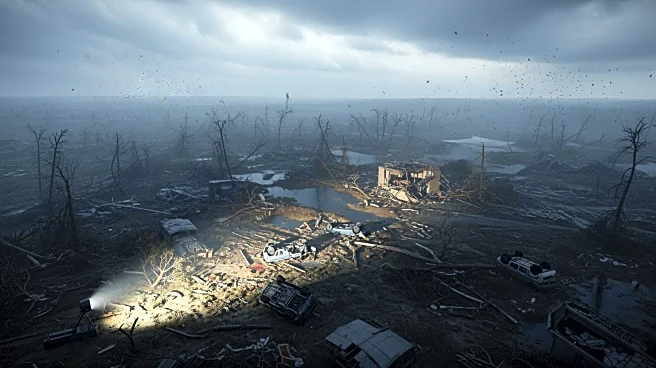
and difficult to predict. The tornadoes, which ranged from EF0 to EF3 in intensity, affected several counties, with the strongest reaching 150 mph and causing three deaths near Union Lake and Union City. The lack of a tornado watch has raised concerns about the effectiveness of current weather alert systems, especially in areas without tornado sirens.
Why It's Important?
The absence of a tornado watch before the storm highlights potential gaps in the current weather alert system, which could have serious implications for public safety. The event underscores the challenges faced by meteorologists in predicting highly localized weather phenomena. The fatalities and damage caused by the tornadoes emphasize the need for improved forecasting and alert systems to better prepare communities for severe weather events. This incident may lead to increased scrutiny of the National Weather Service's procedures and could prompt changes in how weather alerts are issued.
What's Next?
In response to the tornadoes, there may be calls for a review of the National Weather Service's alert protocols to ensure better preparedness for future storms. Local officials and emergency management teams might advocate for the installation of more tornado sirens in vulnerable areas. Additionally, there could be discussions on enhancing public awareness and education about severe weather preparedness, even in the absence of official watches or warnings. The incident may also lead to technological advancements in weather prediction to better detect and forecast localized severe weather events.