
What's Happening?
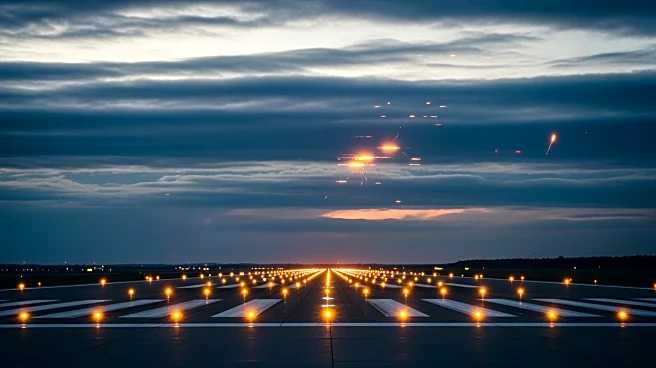
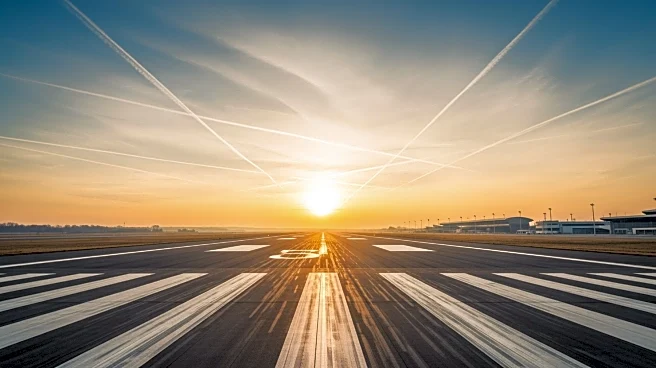
Israel is set to gradually reopen its airspace to facilitate the return of citizens stranded abroad due to the ongoing conflict with Iran. Transportation Minister Miri Regev announced that Ben-Gurion Airport, which has been closed since the conflict began,
will start allowing one plane to land per hour, increasing to two planes per hour after the first 24 hours. This plan aims to bring back thousands of Israelis who have been unable to return home. The airport will operate continuously, unlike during previous conflicts. El Al, Israel's national airline, has committed to reassigning canceled flights at no additional cost, prioritizing humanitarian cases. The airline is preparing recovery flights from major international gateways, including New York, Miami, and Los Angeles.
Why It's Important?
The reopening of Israel's airspace is crucial for reuniting families and ensuring the safety of citizens amid the conflict. It highlights the logistical challenges faced by countries during wartime, particularly in maintaining connectivity with the global community. The move also underscores the importance of international cooperation, as Israel coordinates with neighboring countries to facilitate land crossings. For the airline industry, this situation presents both a challenge and an opportunity to demonstrate resilience and adaptability in crisis management. The prioritization of humanitarian cases reflects a commitment to addressing urgent needs, which could influence public perception and trust in national institutions.
What's Next?
As the airspace reopens, the focus will be on efficiently managing the influx of returning citizens while maintaining security. The situation remains fluid, with the framework subject to change based on security assessments. The success of this operation could set a precedent for future emergency responses. Stakeholders, including the Israeli government, airlines, and international partners, will need to remain vigilant and adaptable. The broader geopolitical implications of the conflict may also influence future travel and security policies, potentially affecting international relations and economic stability in the region.