







What's Happening?
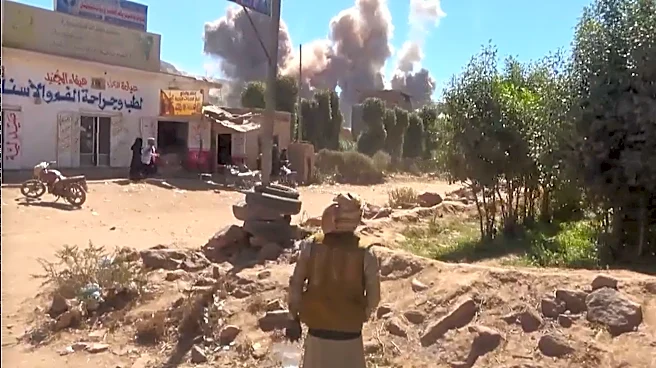
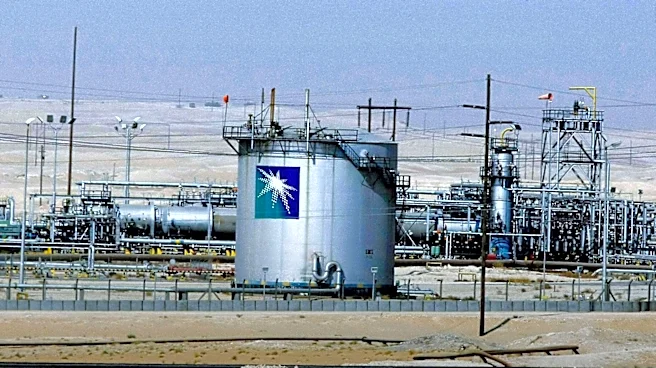
Saudi Arabia's critical East-West oil pipeline was targeted in an attack in the Medina region, resulting in a limited fire that was quickly extinguished. The Saudi Ministry of Energy confirmed the incident through the Saudi Press Agency, stating that no
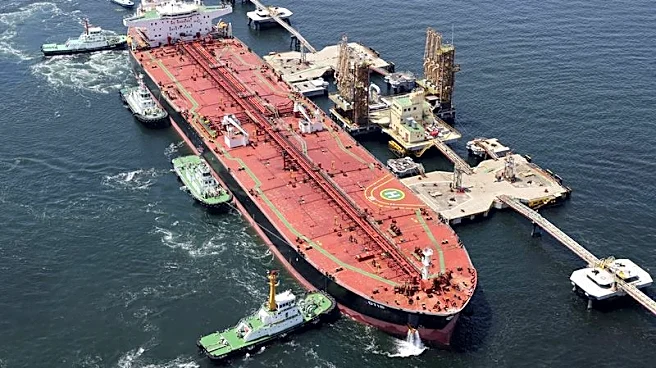
injuries or fatalities occurred and pipeline operations remained unaffected. While the report did not identify the perpetrators, the attack comes amidst intensified conflict between Saudi Arabia and the Iran-backed Houthi rebels in Yemen. This pipeline, stretching 1,200km (745-miles) across the Arabian Peninsula, is crucial for bypassing the Strait of Hormuz, a chokepoint that has seen increased tensions. The pipeline has been targeted multiple times previously, including a shutdown in September following drone attacks that Saudi Arabia attributed to Iraq. Riyadh reroutes approximately 4 million barrels per day of crude, about 4 percent of global supply, through this pipeline to Yanbu, especially since disruptions to oil flows through the Strait of Hormuz.
Why It's Important?
The repeated targeting of Saudi Arabia's East-West oil pipeline carries significant implications for global energy security and regional stability. This pipeline serves as a vital alternative route for oil exports, allowing Saudi Arabia to bypass the Strait of Hormuz, a strategic waterway vulnerable to geopolitical tensions. Any disruption to this pipeline, even if minor, highlights the fragility of global oil supply chains and could lead to increased oil price volatility. For the U.S. and its allies, ensuring the free flow of oil from the Middle East is a key strategic interest. Attacks on such critical infrastructure underscore the ongoing threat posed by regional conflicts, particularly the Yemen war, and the potential for these conflicts to impact international energy markets. The incident also emphasizes the broader challenge of protecting energy infrastructure from asymmetric threats like drone and missile attacks.
What's Next?
Following this latest attack, Saudi Arabia will likely continue to bolster its defenses around critical oil infrastructure, potentially deploying advanced air defense systems and increasing surveillance. The ongoing conflict in Yemen suggests that similar attacks could persist, maintaining a state of heightened alert for energy markets. International bodies and major oil-consuming nations will likely monitor the situation closely, assessing any potential impact on global oil supplies and prices. There may also be renewed diplomatic efforts to de-escalate tensions in the region, although a resolution to the Yemen conflict remains elusive. The incident could also prompt further discussions among oil producers and consumers about diversifying energy routes and enhancing the resilience of global energy infrastructure against such threats.
Beyond the Headlines
The repeated attacks on Saudi oil infrastructure, particularly the East-West pipeline, reveal a deeper strategic objective beyond mere disruption. These actions aim to exert economic pressure and demonstrate the capability of non-state actors to impact global energy flows, thereby influencing regional power dynamics. The reliance on this pipeline to bypass the Strait of Hormuz underscores the geopolitical vulnerabilities inherent in maritime chokepoints and the strategic importance of alternative routes. Furthermore, the use of drones and missiles in these attacks highlights the evolving nature of warfare, where relatively inexpensive and accessible technologies can be deployed to target high-value assets. This trend poses a significant challenge for traditional defense strategies and necessitates a re-evaluation of security paradigms for critical infrastructure worldwide, extending beyond the immediate conflict zone to broader implications for international trade and security.