






What's Happening?
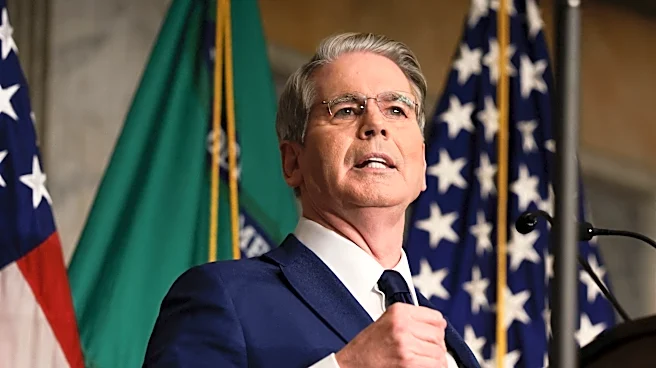
Lonnie Bunch III, the Secretary of the Smithsonian Institution, is set to retire at the end of the year. His departure comes amidst sustained pressure and attacks from the Trump administration regarding the museum's content and independence. Bunch, who
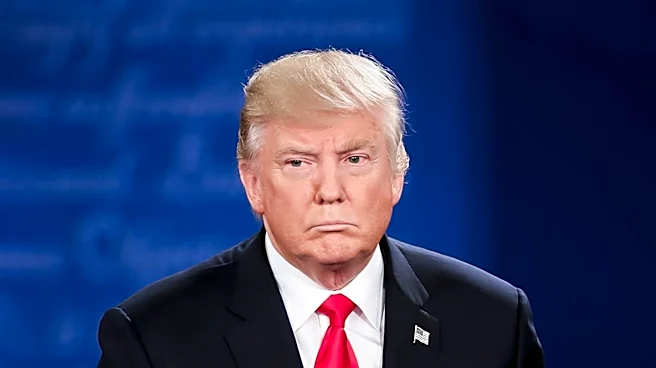
was appointed in 2019 as the first African American to lead the Smithsonian, cited personal reasons for his retirement but acknowledged the stress caused by the administration's scrutiny of the museum's depictions of U.S. history. President Trump had accused the museum of being influenced by a "divisive, race-centered ideology" and sought to align its content with his administration's policies, including an attempt to fire the director of the National Portrait Gallery, Kim Sajet, which Bunch resisted. Despite Bunch's efforts to protect the institution, the ongoing pressure has been a significant factor in his decision.
Why It's Important?
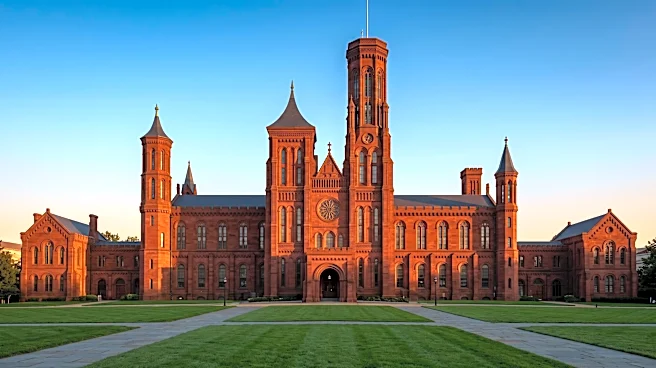
The retirement of Lonnie Bunch III from the Smithsonian Institution under these circumstances highlights a critical conflict between political influence and the independence of cultural and educational institutions. The Trump administration's attempts to dictate the narrative of U.S. history presented by the Smithsonian raise concerns about academic freedom, historical accuracy, and the role of museums in society. This situation could set a precedent for future administrations to exert control over public institutions, potentially leading to a politicization of historical interpretation and cultural programming. The Smithsonian, as a national treasure, plays a vital role in educating the public and preserving American heritage. Its ability to operate free from political interference is essential for maintaining its credibility and fulfilling its mission to tell America's full and complex story. The search for Bunch's successor will be closely watched, as it will indicate the future direction and autonomy of the institution.
What's Next?
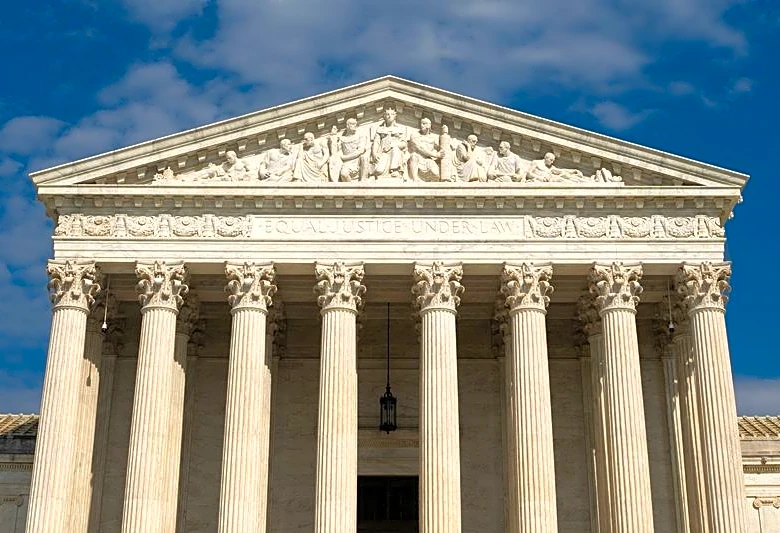
The Smithsonian's 17-member board of regents, led by Chief Justice John Roberts, will now be responsible for selecting Lonnie Bunch III's replacement. This process will be under intense scrutiny, given the recent political pressures. The board includes members from both political parties, as well as private citizens, and the Trump administration has yet to announce replacements for three recently expired citizen terms, which could influence the selection. The new secretary will face the challenge of navigating the institution through a politically charged environment while upholding its mission of historical accuracy and independence. The outcome of this selection will likely determine the Smithsonian's approach to historical narratives and its relationship with future administrations. Meanwhile, Democrats have praised Bunch for his leadership, while some Republicans have welcomed his departure, indicating the continued political polarization surrounding the institution.
Beyond the Headlines
The controversy surrounding Lonnie Bunch III's retirement and the Trump administration's pressure on the Smithsonian delves into fundamental questions about national identity and how history is presented to the public. The administration's push for a specific, often nationalistic, interpretation of American history clashes with the Smithsonian's commitment to a comprehensive and inclusive narrative, including difficult aspects of the nation's past. This conflict reflects broader cultural wars over education, race, and identity in the United States. The independence of institutions like the Smithsonian is crucial for fostering critical thinking and a nuanced understanding of history, rather than serving as a tool for political propaganda. The long-term implications could affect how future generations learn about their country's past and the role of cultural institutions in shaping public discourse.