



What's Happening?
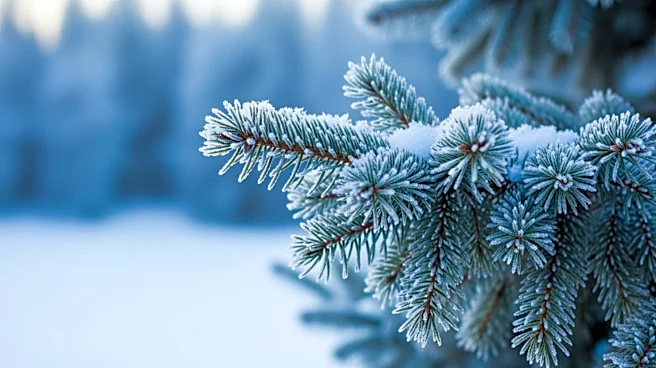
The National Weather Service (NWS) has issued a Winter Storm Watch for Alaska's Central Brooks Range, forecasting moderate to heavy snowfall and blowing snow from Saturday evening through Monday evening. Snow accumulations are expected to range from 6
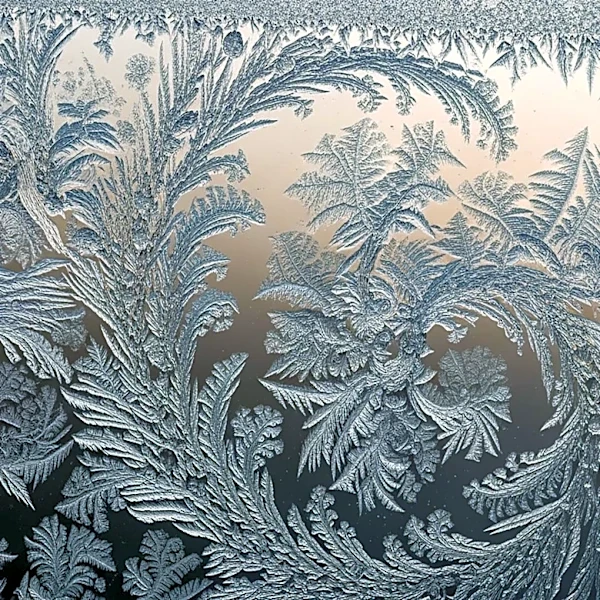
to 12 inches, with higher amounts possible at elevated locations. Wind gusts could reach up to 30 mph, particularly affecting the Dalton Highway corridor, including Atigun Pass. This weather event is part of a broader pattern affecting several U.S. states, with frost advisories and freeze warnings also in place for parts of Northern California, southern Oregon, northeastern Washington, and northern Idaho. The NWS warns that freezing temperatures and frost could damage crops and sensitive vegetation, and advises residents to take precautions to protect plants and animals vulnerable to the cold.
Why It's Important?
The issuance of these weather warnings highlights the unusual climatic conditions affecting parts of the United States, even during the summer months. The heavy snowfall in Alaska's Brooks Range could disrupt travel and pose challenges for residents and businesses in the region. The frost and freeze warnings in other states could have significant agricultural impacts, potentially damaging crops and affecting local economies dependent on agriculture. These weather conditions underscore the importance of preparedness and adaptation strategies for communities facing unexpected weather patterns, which can have broader implications for public safety and economic stability.
What's Next?
Residents in the affected areas are advised to monitor weather updates and take necessary precautions to protect themselves and their property. The NWS will continue to provide updates as the weather system progresses. Local authorities may implement additional measures to ensure public safety, such as road closures or advisories for travelers. The agricultural sector may need to assess potential damage and consider mitigation strategies to protect crops from frost and freezing temperatures.