




What's Happening?
NATO countries are actively preparing for a potential conflict with Russia by significantly increasing their defense spending, expanding military-industrial production, and conducting various military exercises. This heightened state of readiness is a direct
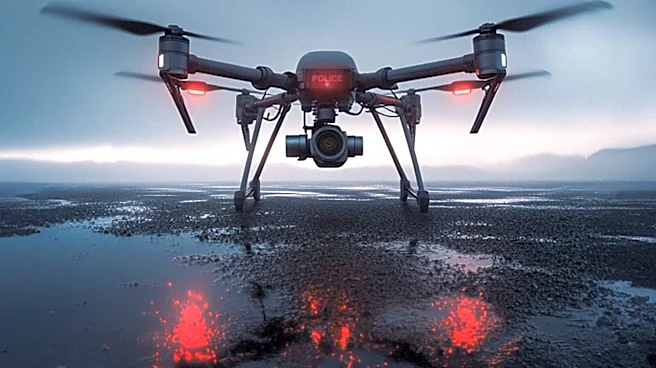
response to assessments from Ukrainian intelligence, specifically HUR Deputy Chief Vadym Skibitsky, who warned that Russia is preparing for a potential war with NATO by 2030. Skibitsky also highlighted Russia's current focus on asymmetric and hybrid threats against NATO members, including unidentified drones, information campaigns targeting NATO weapons, and the growth of pro-Moscow political and civic movements. These activities are seen as precursors to military conflicts, according to Skibitsky. The preparations by NATO members reflect a growing concern about Russia's long-term intentions and its ongoing military aggression.
Why It's Important?
The increased defense spending and military-industrial production by NATO countries have significant implications for the U.S. and its allies. For the U.S. defense industry, this translates into increased demand for military equipment, technology, and services, potentially boosting economic activity and job creation in the sector. However, it also signifies a more volatile geopolitical landscape, requiring sustained commitment and resources from the U.S. to maintain collective security. The focus on strengthening regional frameworks, as emphasized by Lithuania, underscores the importance of robust alliances, especially in light of potential shifts in U.S. commitment to NATO. The questioning of NATO's endurance due to potential changes in U.S. policy highlights the critical role of consistent U.S. leadership and engagement in maintaining the alliance's strength and deterrence capabilities against potential adversaries.
What's Next?
In the immediate future, NATO countries are expected to continue their trajectory of increased defense investment and military readiness exercises. The U.S. will likely play a central role in coordinating these efforts, providing advanced military technology and strategic guidance to its allies. Discussions within NATO will probably intensify regarding long-term defense strategies and resource allocation to counter Russia's evolving threats. There will also be a continued focus on intelligence sharing and cybersecurity measures to address Russia's hybrid warfare tactics. The outcome of upcoming elections in various NATO member states, particularly in the U.S., could influence the alliance's future commitment and strategic direction, potentially leading to either reinforced unity or further questions about its long-term stability.
Beyond the Headlines
Beyond the immediate military and economic implications, this heightened state of alert within NATO raises deeper questions about international security architecture and the future of global power dynamics. The emphasis on military-industrial production could lead to a new arms race, diverting resources from other critical areas like climate change or public health. Ethically, the preparation for a potential large-scale conflict necessitates a re-evaluation of deterrence strategies and the role of conventional warfare in modern geopolitics. The U.S.'s stance and commitment to NATO will not only shape the alliance's effectiveness but also influence the broader international order, potentially leading to a more fragmented or a more unified global response to authoritarian aggression. The long-term societal impact of sustained military readiness, including potential shifts in national priorities and public discourse, also warrants close observation.