





What's Happening?
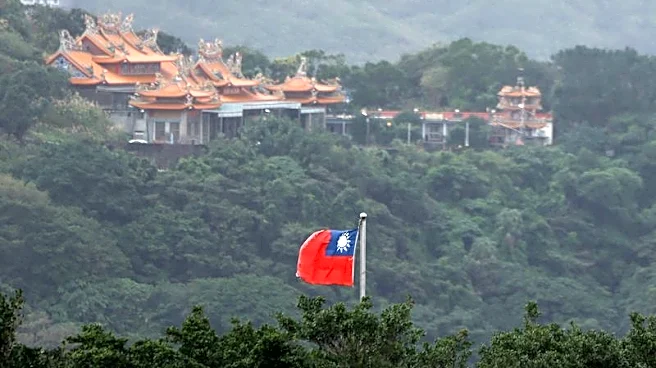
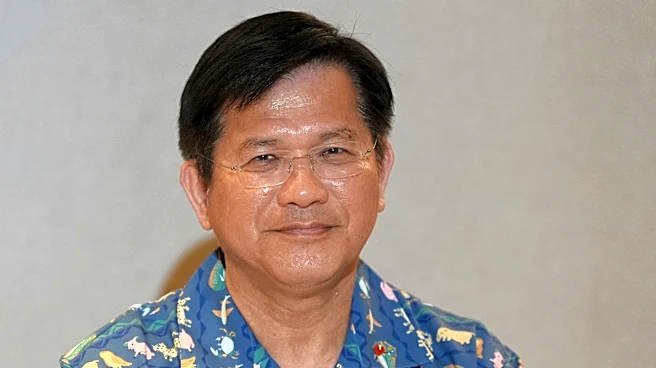
Taiwan's Defense Minister Chiu Kuo-cheng has voiced significant concern that the increased frequency and intensity of Chinese military activities around the island could lead to an accidental incident sparking a broader conflict. Over the past two weeks,
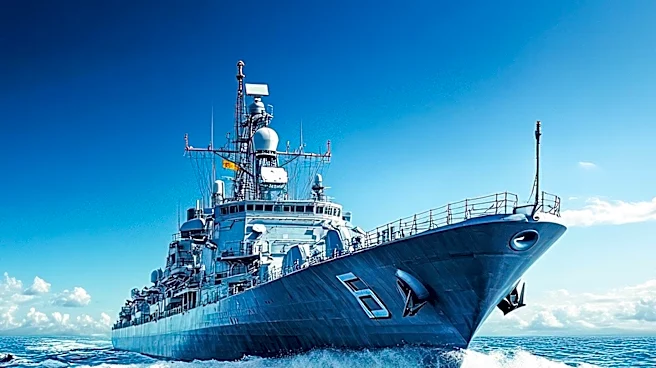
Taiwan has detected dozens of Chinese fighters, drones, bombers, warships, and the aircraft carrier Shandong operating in its vicinity. Warships from China's southern and eastern theater commands have been conducting joint operations off Taiwan's east coast, with the Shandong acting as an 'opposing force' and China's Eastern Theatre Command forces simulating an 'attacking force' in battle scenarios. This heightened activity, which China has not commented on, has led Taiwan to worry about the situation 'getting out of hand' due to the increased risks associated with frequent operations involving aircraft, ships, and weapons.
Why It's Important?
The escalating military presence and simulated combat scenarios by China near Taiwan significantly heighten regional tensions and increase the risk of miscalculation or accidental engagement. Taiwan's traditional defense strategy relies on its mountainous east coast for regrouping forces, but China's increased operations in this area challenge that planning and demonstrate its growing capability to project power further from its coastline. The potential for an accidental clash carries severe implications for regional stability, potentially drawing in other international actors, including the United States, which has security interests in the Indo-Pacific. Such an incident could disrupt global trade routes, particularly through the Taiwan Strait, and have profound economic and geopolitical consequences. The situation underscores the fragility of peace in the region and the urgent need for de-escalation and clear communication channels to prevent unintended conflict.
What's Next?
Taiwan has stated its intention to remain calm and avoid escalating the situation, while also asserting that it will not tolerate 'repeated provocations' from China. Taiwan's armed forces continue to monitor Chinese movements closely, employing CAP aircraft, Navy ships, and coastal missile systems in response. While China has largely scaled back its drills in the immediate past, the underlying pattern of increased military pressure is expected to continue as Beijing seeks to assert its sovereignty claims over Taiwan. The international community will likely maintain a close watch on the Taiwan Strait, with calls for restraint from both sides. The U.S. and its allies may continue to conduct freedom of navigation operations and provide defensive support to Taiwan, further complicating the regional security dynamic.
Beyond the Headlines
The ongoing military pressure from China on Taiwan reflects a broader strategic objective by Beijing to alter the status quo in the Taiwan Strait and assert its claims without direct military invasion. The 'gray zone' tactics, involving frequent military drills and law enforcement patrols, aim to normalize China's presence around Taiwan and gradually erode Taiwan's effective control over its surrounding waters and airspace. This strategy tests the resolve of Taiwan and its international partners, pushing the boundaries of what constitutes a 'provocation' and increasing the psychological pressure on the island. The lack of direct communication or comment from China regarding these drills further exacerbates the risk of misinterpretation and escalation, creating a dangerous environment where routine military exercises could inadvertently trigger a larger conflict.