





What's Happening?
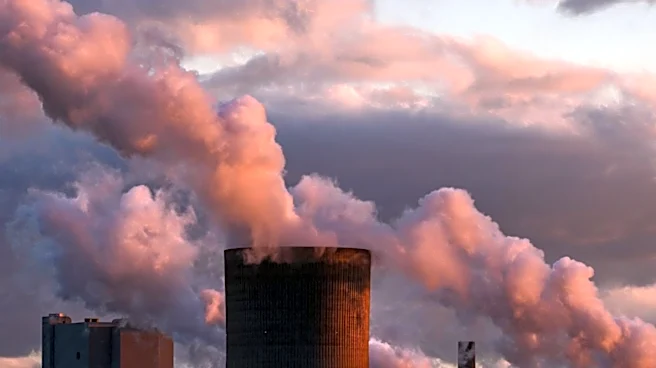
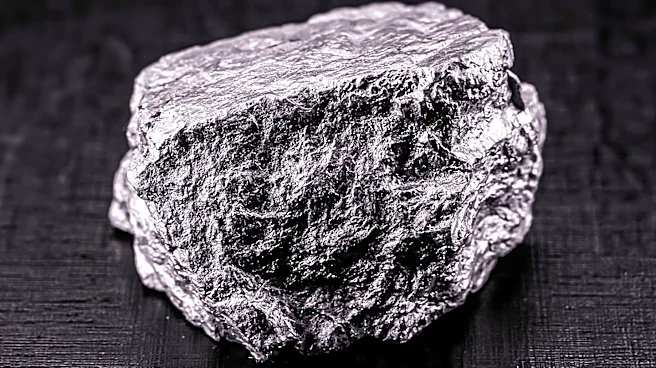
A 2024 study by geoscientists at the University of Texas at Austin estimates that coal ash from U.S. coal-fired power stations could contain nearly $100 billion worth of feasibly extractable rare earth elements (REEs). These 17 invaluable metals are crucial
for modern technologies, including computers, planes, cars, solar panels, batteries, and wind turbines, as well as medical and defense applications. Currently, the U.S. imports approximately 70 percent of its REE supply from China, which accounts for about 70 percent of global REE production and 90 percent of heavy rare earth processing. The U.S. has only one major operational REE mine in California, contributing 16 percent to the global supply, but lacks national processing capabilities. The concentration of REEs in coal ash is up to 10 times higher than in unburned coal, offering a readily available source of these critical materials. The estimated 11 million U.S. tons of REEs in accessible coal ash is almost eight times the amount in domestic reserves.
Why It's Important?
Securing a domestic supply chain for rare earth elements is vital for U.S. national security, technological sustainability, economic stability, and energy independence. The current reliance on imports, particularly from China, creates a significant vulnerability. REEs are essential for the clean energy transition, making their domestic availability crucial for achieving climate goals. For instance, an F-35 fighter jet contains approximately 400 kilograms (900 pounds) of REEs, highlighting their importance in defense technologies. Developing methods to extract REEs from coal ash offers a dual benefit: reducing environmental waste from spent fossil fuels and establishing a homegrown source of critical minerals. This initiative could also foster a more circular materials economy by utilizing existing waste rather than solely relying on new mining operations, which often have significant environmental impacts.
What's Next?
A global race is underway to develop practical and cost-effective extraction methods for rare earth elements from coal ash. Researchers at Monash University in Australia are using environmentally benign acids to achieve 90 percent recovery of all 17 REEs in pilot demonstrations. Northeastern University researchers are also working on boosting yields from conventional extraction methods by pretreating coal tailings. Scientists are exploring various other options, including 'green' leaching solutions, electrochemical extraction, and nature-based solutions like microbe-made metabolites and phytomining using 'hyperaccumulator plants.' The success of these methods at scale will depend on finding a balance between high-quality REE yields, cost-effectiveness, and energy efficiency, while minimizing toxic post-processing waste. If scaled and commercialized, these methods could also be applied to other common waste streams, such as electronic waste and mining tailings.
Beyond the Headlines
The potential to extract rare earth elements from coal waste represents a significant shift in resource management and national strategy. Beyond the immediate economic and security benefits, this approach addresses the long-standing environmental challenge of coal ash disposal. By transforming a waste product into a valuable resource, the U.S. can mitigate environmental pollution while simultaneously bolstering its strategic mineral reserves. This initiative could also stimulate innovation in green chemistry and sustainable engineering, leading to the development of more eco-friendly extraction technologies. The broader implication is a move towards a more circular economy, where waste materials are re-integrated into the supply chain, reducing the need for new resource extraction and minimizing environmental footprints. This could set a precedent for how other industrial waste streams are viewed and managed globally.