



What's Happening?
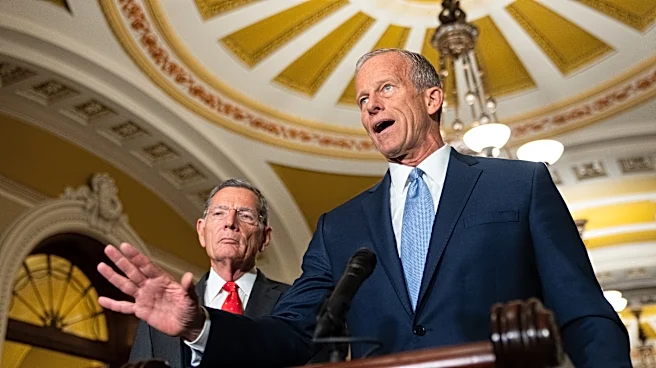
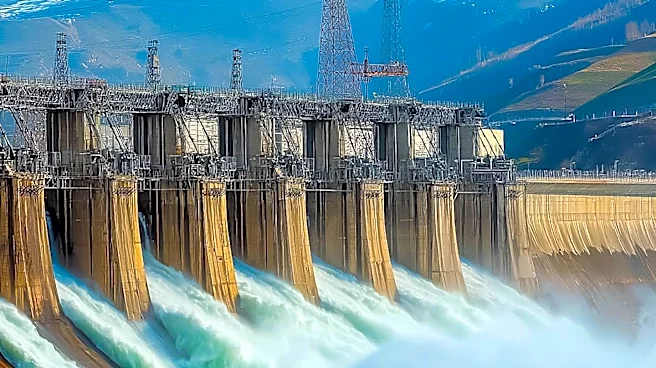
U.S. Senators Lisa Murkowski, Steve Daines, and Jim Risch have introduced the Hydropower Licensing Affordability Act to the Senate. This legislation aims to reform the Federal Power Act to reduce the delays and costs associated with hydropower licensing.
The bill proposes limiting mandatory conditions for hydropower licenses to those directly related to the adverse effects of the project. Currently, natural resource agencies can impose mandatory conditions that the Federal Energy Regulatory Commission (FERC) cannot reject, regardless of their relevance or cost. The senators argue that 40% of U.S. hydropower is up for relicensing by 2030, and the current process is burdensome and expensive, threatening the viability of hydropower projects.
Why It's Important?
The proposed bill is significant as it addresses the challenges faced by the hydropower industry, which is a crucial component of the U.S. renewable energy portfolio. By streamlining the licensing process, the bill could make hydropower projects more economically viable, encouraging investment and development in this sector. This could lead to increased renewable energy production, helping the U.S. meet its energy and environmental goals. The bill also highlights the need for regulatory reform to balance environmental protection with energy development, potentially setting a precedent for other renewable energy sectors.
What's Next?
If the bill progresses, it could lead to significant changes in how hydropower projects are licensed and managed in the U.S. The senators have urged federal agencies like FERC, the Department of the Interior, and others to support these reforms. The outcome of this legislative effort will depend on the response from these agencies and the broader political landscape. Additionally, the bill's progress will be closely watched by stakeholders in the energy sector, including utilities, environmental groups, and policymakers.