






What's Happening?
A new study conducted by the Markey Lab in the Translational Science and Therapeutics Division at Fred Hutch, published in Blood Advances, investigates the potential benefits of incorporating plant-based meals for multiple myeloma patients undergoing
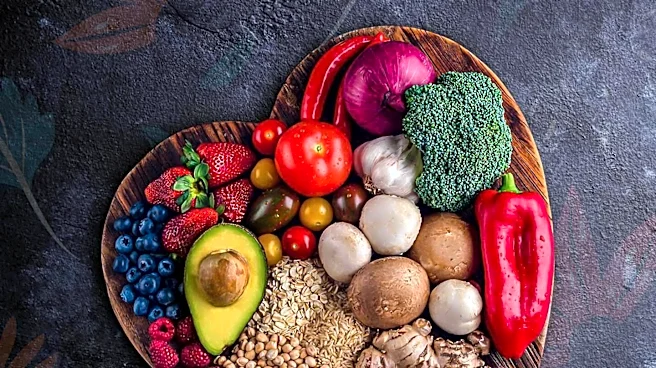
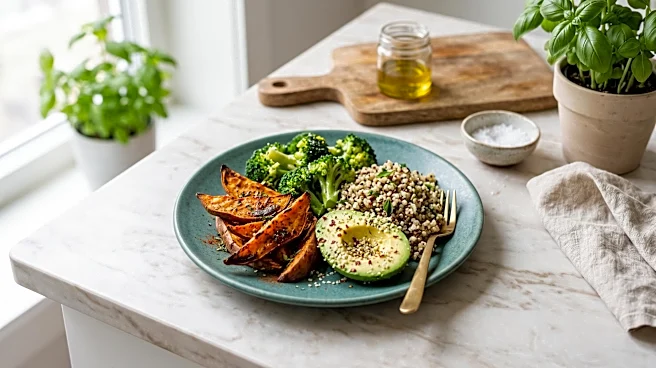
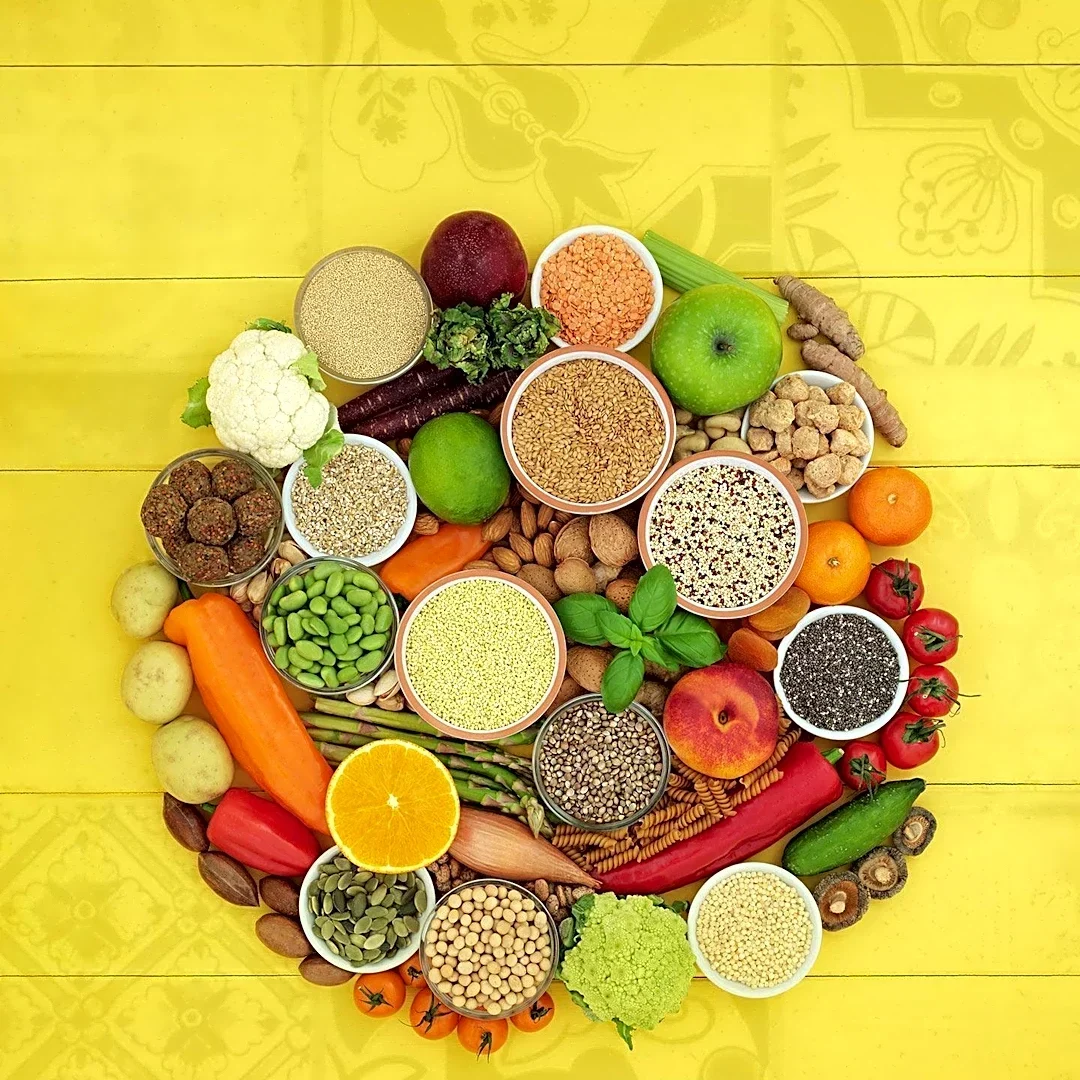
hematopoietic stem cell transplantation (HCT). The research suggests that plant-based, whole foods rich in fiber and diverse nutrients may support the gut microbiome during treatment. The study recruited 22 adult patients undergoing autologous HCT between 2024 and 2025, providing them with three plant-based meals and snacks daily for five weeks, starting one week before transplant and continuing for 28+ days post-transplant. These meals were designed to be safe for immunocompromised patients and required minimal preparation. The researchers observed encouraging differences in microbiome samples between patients who consumed more plant-based meals versus those who consumed less, indicating the feasibility and potential positive impact of such dietary interventions during intense chemotherapy and recovery.
Why It's Important?
This study is significant because it addresses a critical challenge in cancer treatment: supporting patient health during highly intensive therapies like HCT, which can severely disrupt the gut microbiome. A disrupted microbiome has been linked to increased disease progression and worse overall outcomes in multiple myeloma patients. Plant-based diets, known for their high fermentable fiber content, promote the production of short-chain fatty acids (SCFAs), which are associated with lower gut inflammation and enhanced anti-tumor immunity. The findings suggest a practical dietary strategy that could improve intestinal diversity and quality of life for cancer patients, potentially slowing disease progression. This research opens avenues for integrating nutritional interventions into standard cancer care, offering a non-pharmacological approach to mitigate treatment side effects and improve patient outcomes.
What's Next?
The Fred Hutch researchers are actively seeking funding to support a larger, randomized study to further investigate the use of plant-based diets as a strategy to support the microbiome during auto-HCT and in the CAR T patient population. Future work will also focus on including behavioral support to help patients adopt what may be an unfamiliar diet and collecting more data points on functional microbiome changes. The ultimate goal is to generate high-quality evidence to determine the ideal diet during cancer treatment. If successful, this research could lead to the development of standardized dietary guidelines for cancer patients, potentially improving recovery rates and long-term health outcomes.
Beyond the Headlines
The study's implications extend beyond immediate patient care, highlighting the growing recognition of the gut microbiome's profound influence on overall health and disease, particularly in the context of cancer. It underscores a shift towards a more holistic approach in oncology, where nutrition is seen not just as supportive care but as a therapeutic tool. The feasibility of implementing such a diet, even during intense treatment, challenges conventional assumptions about patient compliance and dietary limitations. This research could also influence public health recommendations, emphasizing the preventative role of plant-based diets in reducing the risk of chronic diseases like multiple myeloma. Furthermore, it could spur innovation in the food industry to develop more accessible and palatable plant-based options for individuals with specific health needs.