




What's Happening?
The increasing use of GLP-1 medications in the U.S. is beginning to influence home design, particularly in kitchens and bathrooms, and is raising concerns about household waste management. According to an analysis by PwC, 21% of U.S. households currently
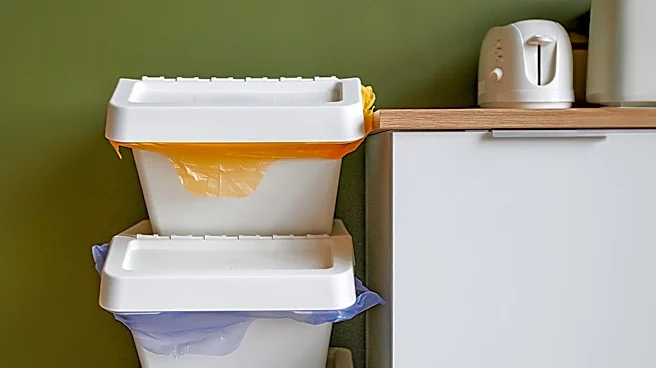
include a GLP-1 user, up from 9% in January 2025. This shift is leading to trends like 'hidden kitchens' and more compact, efficient layouts, as users report reduced 'food noise' and a decreased need for large food storage and preparation areas. Concurrently, New York City has seen a significant increase in needlestick injuries among sanitation workers, tripling since 2023, with the Department of Sanitation identifying injectable medications, including GLP-1s, as a possible contributing factor. The city plans to more than double fines for improperly discarded household medical waste.
Why It's Important?
This development has significant implications for U.S. industries and public policy. For the housing and interior design sectors, it signals a shift in consumer preferences, potentially leading to a demand for smaller kitchens, integrated storage for medications, and specialized bathroom vanities. This could impact appliance sales, cabinetry design, and architectural planning. For public health and waste management, the rise in injectable medication use presents a challenge in safe disposal. The increase in needlestick injuries among sanitation workers highlights a critical occupational safety issue and necessitates policy changes, such as increased fines and improved disposal guidelines, to protect essential service providers. Property owners are also affected, facing new responsibilities and potential penalties related to waste disposal.
What's Next?
New York City will increase fines for improper disposal of household medical waste from $100 to $250 starting November 9. The Department of Sanitation is also transitioning to mechanized collection systems to reduce direct contact with garbage. Residents are legally required to place sharps in puncture-resistant containers, sealed and labeled, before discarding them in regular trash or at designated drop-off locations. In home design, industry professionals anticipate bathrooms will expand to accommodate wellness activities and efficient storage, including potential medication refrigerators and sharps containers. However, some experts caution against overhyping the demand for bathroom refrigeration for GLP-1s, noting that insulin users have historically stored medication in kitchen refrigerators.
Beyond the Headlines
The impact of GLP-1 medications extends beyond immediate home design and waste management, touching upon broader societal and ethical considerations. The shift in kitchen design reflects a changing relationship with food and consumption, potentially influencing cultural norms around dining and home entertaining. The issue of medical waste disposal highlights a systemic challenge in public health infrastructure, requiring collaboration between healthcare providers, pharmaceutical companies, and municipal services to ensure safe practices. There's an ethical dimension concerning the responsibility of individuals using injectable medications to dispose of them safely, and the responsibility of cities to provide accessible and clear disposal methods. This situation also underscores the often-unseen consequences of medical advancements on daily life and urban services.