






What's Happening?
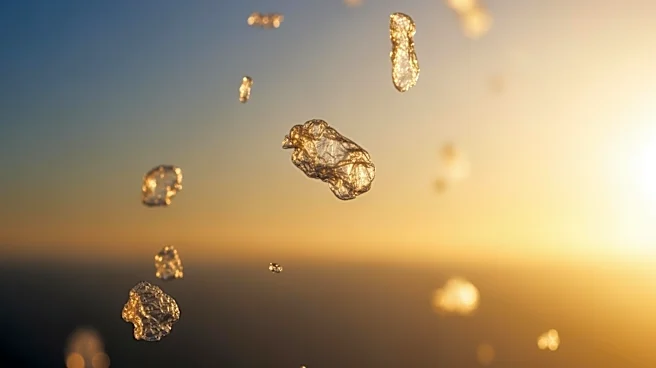
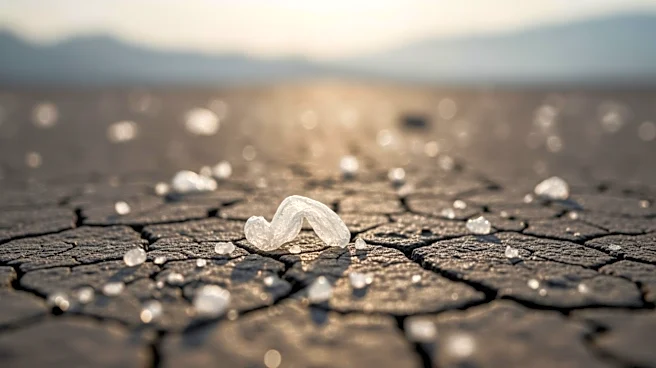
Recent research published in Nature Climate Change has found that airborne microplastics contribute significantly to climate change by trapping heat in the atmosphere. The study, conducted by scientists from China and the US, reveals that these plastic particles
have 16.2% of the heat-trapping impact of black carbon, a major contributor to global warming. The effect is particularly pronounced in areas with high plastic concentrations, such as parts of the Pacific Ocean. The study calls for updated climate models to account for the warming impact of microplastics.
Why It's Important?
The findings highlight a previously underestimated factor in climate change, emphasizing the need for comprehensive strategies to address plastic pollution. Microplastics' ability to trap heat could exacerbate global warming, particularly in regions with significant plastic pollution. This research could influence policy decisions and environmental strategies aimed at reducing plastic waste and mitigating its impact on climate change. Understanding the role of microplastics in atmospheric warming is crucial for developing effective climate models and interventions.