





What's Happening?
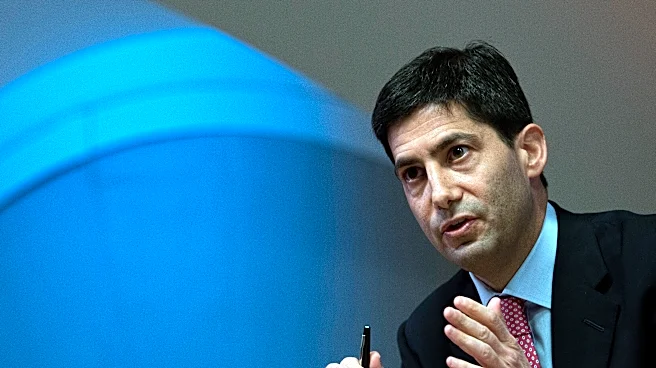
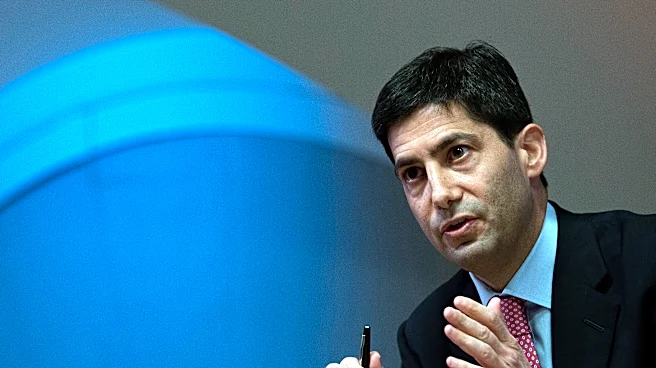
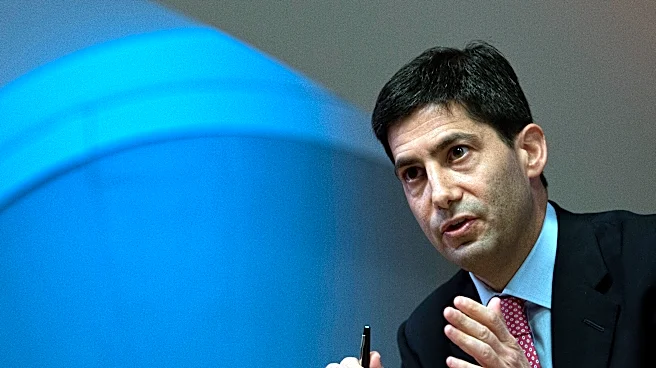
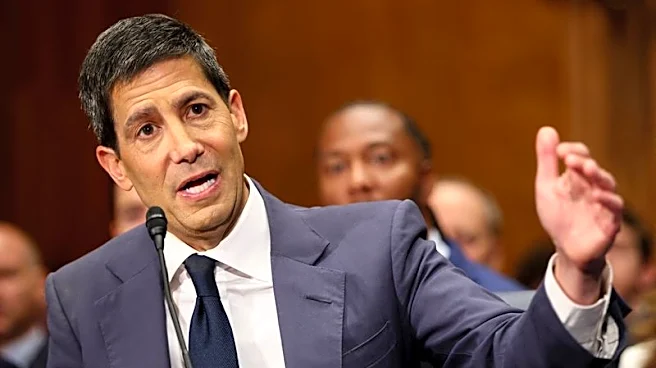
Kevin Warsh, nominated by President Trump to lead the Federal Reserve, faced a contentious Senate confirmation hearing. The hearing highlighted tensions between the White House and the Federal Reserve, particularly as a Justice Department investigation
into current Fed Chair Jerome Powell continues. Warsh's nomination is stalled due to opposition from all Democrats and Republican Senator Thom Tillis, who is withholding his vote until the investigation into Powell is resolved. During the hearing, Warsh was questioned about his financial holdings, including over $100 million in undisclosed investments, and his potential ties to Jeffrey Epstein. Warsh denied any wrongdoing and committed to selling his financial assets if confirmed.
Why It's Important?
The stalled nomination of Kevin Warsh underscores the political and ethical challenges facing the Federal Reserve at a time of economic uncertainty. The investigation into Jerome Powell and the scrutiny of Warsh's financial dealings highlight concerns about the independence and credibility of the Fed. The outcome of this nomination process could impact monetary policy and the Fed's ability to manage inflation and unemployment. The situation also reflects broader political dynamics, with the White House's influence over the Fed being a point of contention. The resolution of these issues could have significant implications for U.S. economic stability and governance.
What's Next?
The confirmation of Kevin Warsh remains uncertain as the Senate Banking Committee is divided. Senator Thom Tillis's decision to withhold support until the Justice Department's investigation into Powell is resolved leaves Warsh's nomination in limbo. The ongoing investigation and political maneuvering could delay the appointment of a new Fed chair, affecting the central bank's operations. The Senate's decision will be closely watched by financial markets and policymakers, as it could signal shifts in monetary policy and the Fed's approach to economic challenges.