








What's Happening?
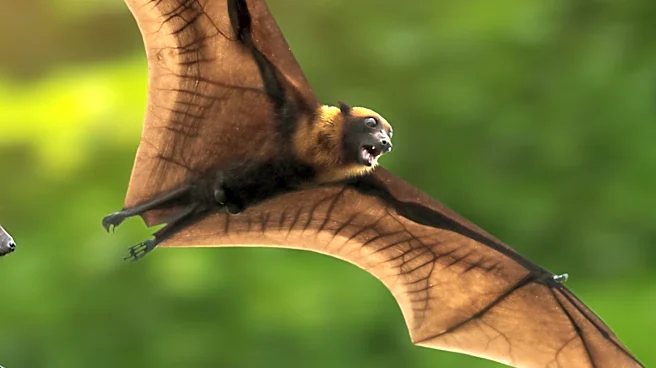
A 6-year-old girl named Cecilia 'Cece' Kale was bitten by a rabid bat while playing outside her home in Tigerton, Wisconsin. The incident occurred as Cece was playing on a tree when the bat attacked her left thigh. Her brothers, Nicklas and Camden, intervened
and killed the bat using a homemade sword inspired by the movie 'Braveheart.' The bat was tested and confirmed to be rabid. Despite the family's general opposition to mandated immunizations, they consented to Cece receiving the necessary rabies shots within 48 hours of the attack. Rabies is nearly 100% fatal if untreated, but the series of five shots is almost certainly nonfatal. The Shawano-Menominee County Health Department, which deals with about one rabid bat attack on a human annually, confirmed the incident.
Why It's Important?
This incident highlights the critical importance of timely medical intervention in cases of rabies exposure. Rabies is a deadly virus if not treated promptly, and this case underscores the necessity of public awareness and readiness to act swiftly in similar situations. The family's decision to proceed with the rabies shots, despite their general stance against mandatory vaccinations, illustrates the potential life-saving impact of medical advice and intervention. This event also brings attention to the presence of rabid animals in residential areas and the need for public health education on handling such encounters. The health department's role in managing and communicating risks associated with rabies is crucial in preventing fatalities.
What's Next?
Following the incident, Cece is expected to complete her series of rabies vaccinations. The family, while shaken, continues to encourage outdoor play for their children, emphasizing a lifestyle reminiscent of the 1850s. The health department may use this case to further educate the public on rabies prevention and the importance of vaccinations. There may also be increased vigilance in monitoring local wildlife for rabies to prevent future incidents. The family's experience could serve as a case study for public health officials to address vaccine hesitancy and promote awareness about the dangers of rabies.