




What's Happening?
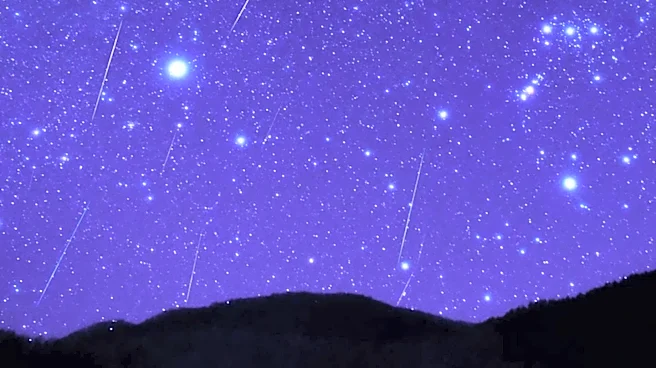
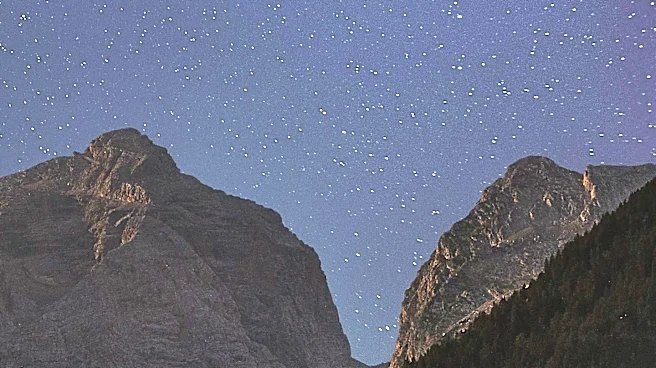
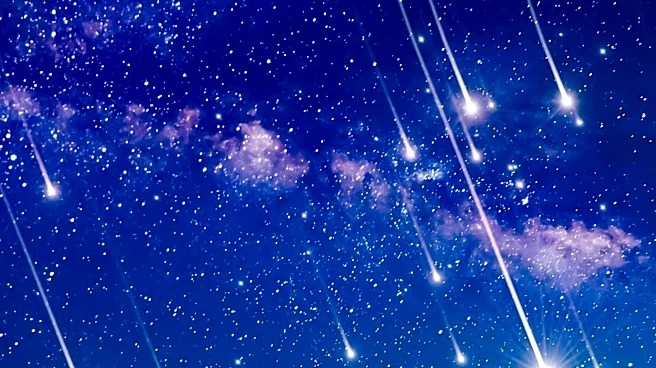
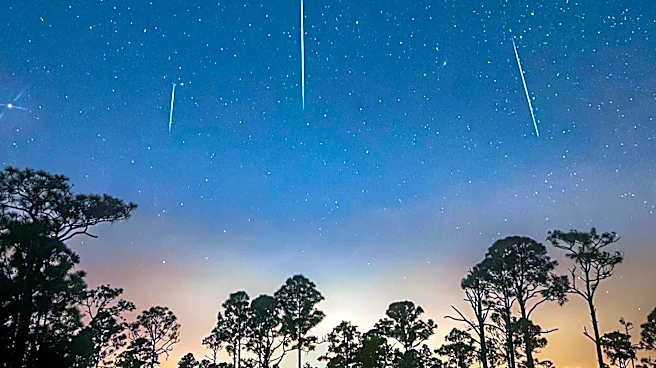
The summer sky is set to be illuminated by a series of meteor showers, with the Perseid meteor shower being the highlight. The Perseids, originating from debris left by Comet Swift-Tuttle, are expected to peak around August 13, offering skywatchers a chance
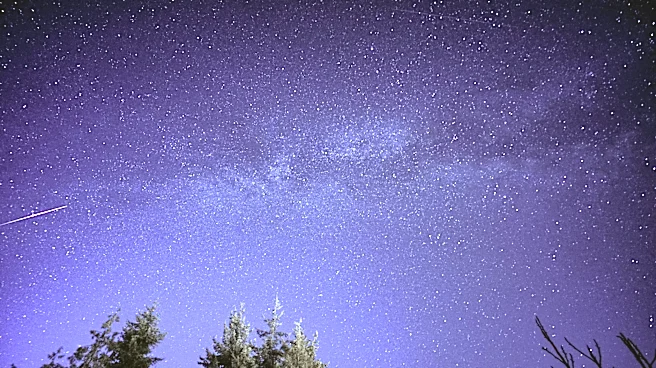
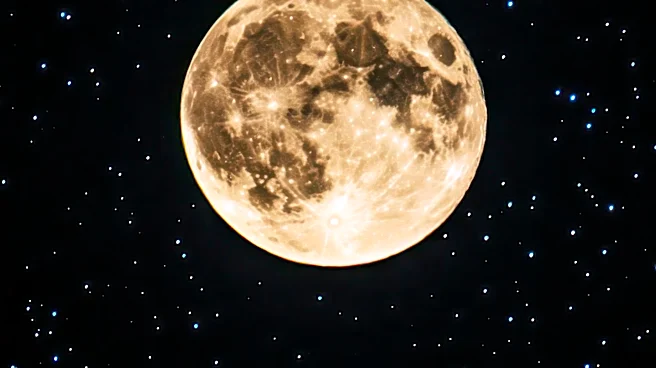
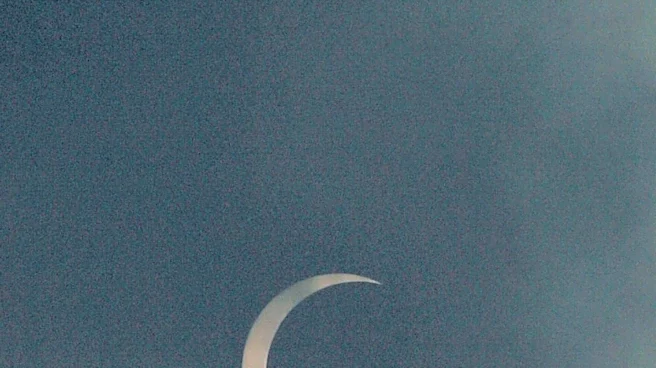
to see over 50 meteors per hour under optimal conditions. This year, the new moon phase will provide dark skies, enhancing visibility. In addition to the Perseids, six other meteor showers, including the Capricornids and Delta Aquariids, will be active throughout July and August. These showers, while less prolific, offer unique viewing opportunities with bright fireballs and slow-moving meteors. The brightness of the moon will affect visibility for some showers, but the Perseids will benefit from minimal lunar interference.
Why It's Important?
Meteor showers like the Perseids are significant for both amateur and professional astronomers as they provide opportunities to study cosmic debris and its interaction with Earth's atmosphere. For the general public, these events offer a chance to engage with astronomy and appreciate the natural beauty of the night sky. The Perseids, in particular, are a popular event due to their high visibility and frequency, drawing attention to the importance of preserving dark skies free from light pollution. This year's favorable conditions could increase public interest and participation in stargazing activities, promoting awareness of astronomical phenomena.
What's Next?
As the peak of the Perseid meteor shower approaches, astronomers and enthusiasts are preparing for optimal viewing conditions. Public observatories and astronomy clubs may organize events to facilitate group observations. The continuation of other meteor showers throughout the summer provides ongoing opportunities for skywatchers to observe and photograph these celestial events. The impact of light pollution on visibility remains a concern, highlighting the need for initiatives to reduce artificial lighting in urban areas.