






What's Happening?
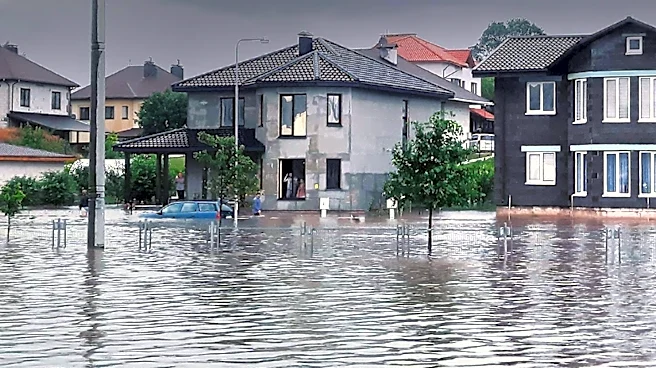
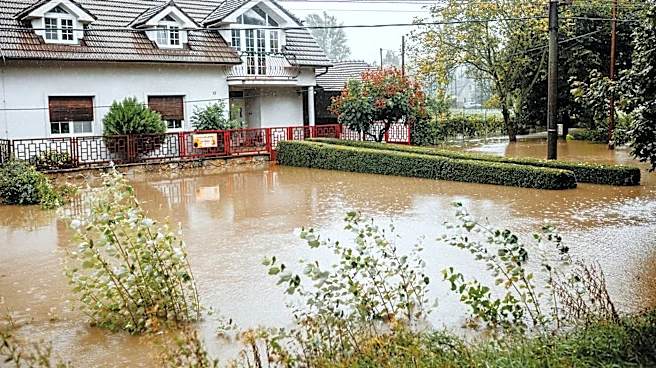
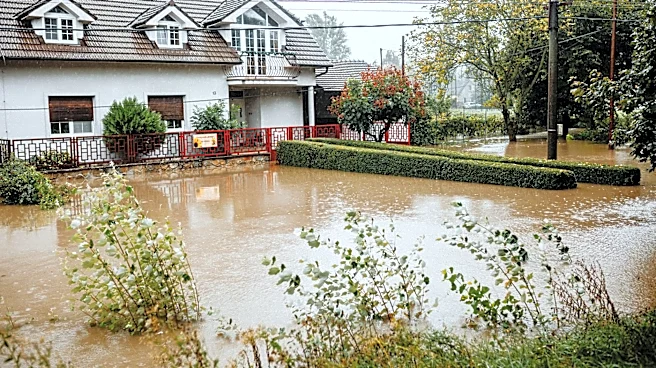
New Jersey experienced severe weather conditions on Thursday, resulting in flash flooding for the second time in a week. Heavy rains led to roads being overtaken by floodwaters, and a lightning strike reportedly hit a home. The storms have caused significant
disruptions, with emergency services responding to multiple incidents across the state. This weather event follows a similar pattern of heavy rainfall earlier in the week, exacerbating concerns about infrastructure resilience and emergency preparedness in the region.
Why It's Important?
The repeated flash flooding in New Jersey highlights the growing challenges posed by extreme weather events, likely exacerbated by climate change. These incidents underscore the need for improved infrastructure to manage stormwater and prevent flooding. The impact on transportation and property damage also raises economic concerns for residents and local governments. Addressing these issues is critical to ensuring public safety and minimizing economic losses. The situation may prompt state and local authorities to reassess their emergency response strategies and infrastructure investments.
What's Next?
In response to the flooding, New Jersey authorities may consider implementing more robust flood management systems and updating emergency response plans. There could be increased pressure on local governments to invest in infrastructure improvements to better handle future storms. Additionally, residents and businesses might seek insurance solutions to mitigate financial risks associated with such weather events. Ongoing monitoring of weather patterns and climate data will be essential to anticipate and prepare for similar occurrences in the future.