







What's Happening?
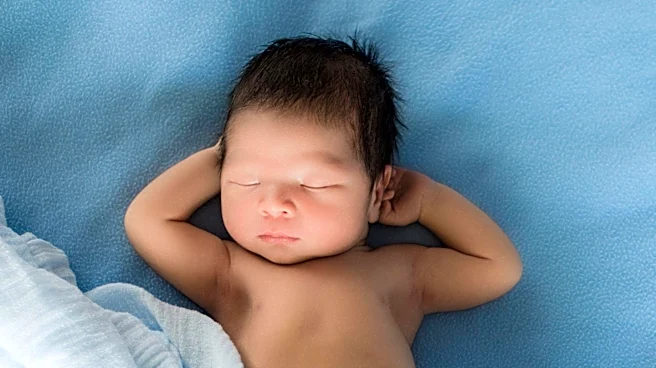
Vice President JD Vance and his wife, Usha Vance, have announced the birth of their fourth child, Alec Neel Vance, on July 19 at Walter Reed National Military Medical Center in Bethesda, Maryland. President Donald Trump extended his congratulations to
the Vance family via social media, celebrating the arrival of their 'perfect baby boy.' This event marks a historical moment as JD Vance becomes the first vice president in over 150 years to welcome a child while in office. The Vance family, which includes sons Ewan and Vivek, and daughter Mirabel, expressed their joy and gratitude towards the medical staff at Walter Reed and the White House medical unit for their support.
Why It's Important?
The birth of Alec Neel Vance is significant as it highlights a rare personal milestone for a sitting vice president, with the last occurrence dating back to 1870. This event brings attention to the personal lives of political figures, often kept private, and humanizes those in high office. President Trump's public congratulation underscores the importance of personal achievements within political circles, potentially influencing public perception and media coverage. The event also reflects on the evolving dynamics of work-life balance in high-stakes political roles, showcasing how modern political figures manage family responsibilities alongside their duties.
What's Next?
Following the birth, it is expected that Vice President Vance will continue to balance his official responsibilities with his expanded family life. The Vance family may receive increased media attention, prompting discussions on privacy and public interest in the personal lives of political figures. Additionally, this event may inspire conversations about parental leave policies and support for political leaders with young families, potentially influencing future policy considerations.
Beyond the Headlines
The birth of a child to a sitting vice president could have cultural implications, highlighting the changing norms around family and career in political life. It may also prompt discussions on the historical context of family life in the political arena, comparing past and present expectations. This event could serve as a catalyst for broader societal conversations about the visibility and representation of family dynamics in public service roles.