






What's Happening?
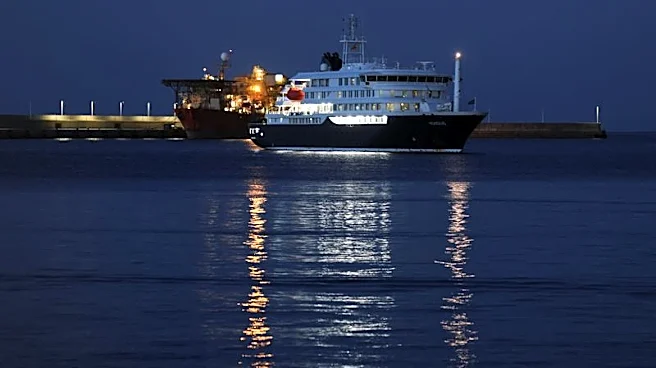
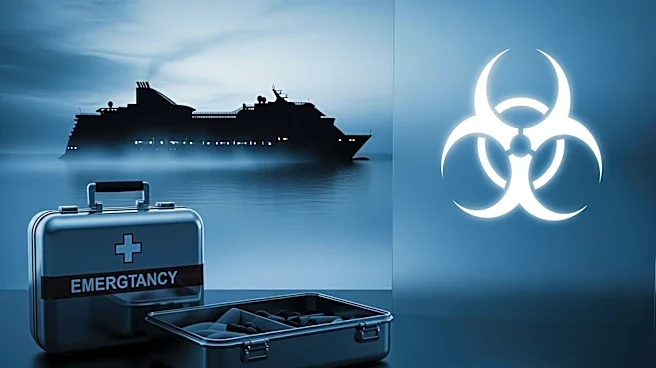
The World Health Organization (WHO) is grappling with uncertainty regarding the spread of the hantavirus following an outbreak on the MV Hondius cruise ship. The virus, primarily transmitted through contact with rodents, has shown rare human-to-human
transmission capabilities, particularly with the Andes strain. The outbreak has led to varied responses from different countries, with some passengers being placed in biocontainment units and others asked to self-isolate. The WHO has recommended a 42-day quarantine period due to the virus's long incubation period and the uncertainty surrounding when individuals become infectious. Despite the low risk to the general public, the lack of comprehensive data on the virus's transmission is complicating containment efforts.
Why It's Important?
The hantavirus outbreak on the MV Hondius highlights the challenges health organizations face in managing diseases with limited transmission data. The situation underscores the need for robust international cooperation and adherence to WHO guidelines to prevent further spread. The outbreak's management could influence future protocols for handling similar viral threats, impacting public health policies and international travel regulations. The economic implications are also significant, as prolonged quarantine measures and travel restrictions could affect the cruise industry and related sectors.
What's Next?
Countries are expected to continue monitoring high-risk contacts and adhere to WHO recommendations. The situation may evolve as more data becomes available, potentially leading to adjustments in quarantine protocols and public health advisories. The WHO's guidance will be crucial in shaping national responses and ensuring coordinated efforts to contain the virus. Ongoing research into the virus's transmission mechanisms will be vital in developing more effective containment strategies.