



What's Happening?
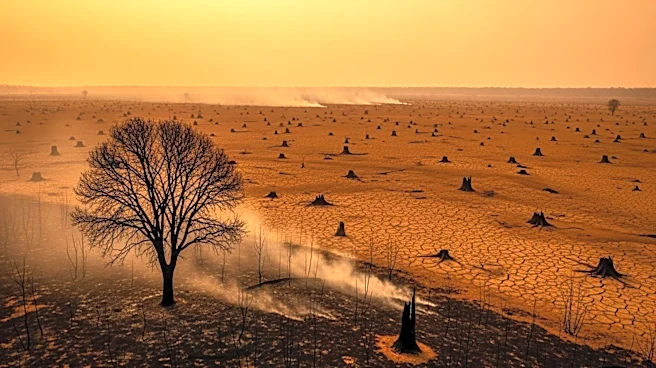
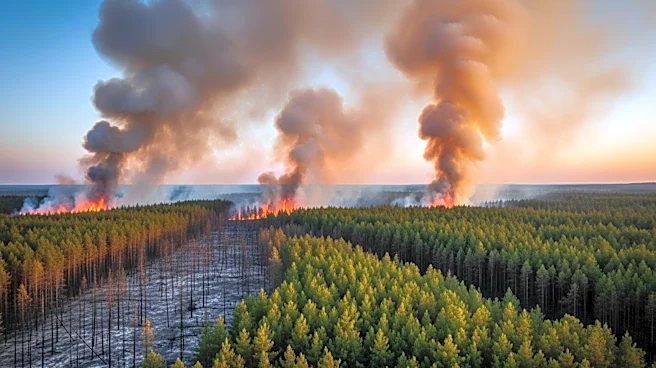
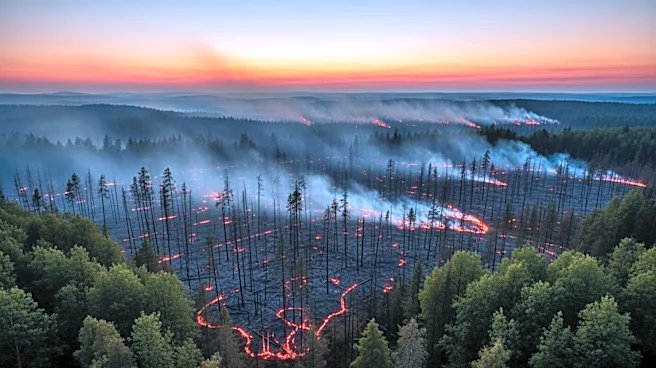
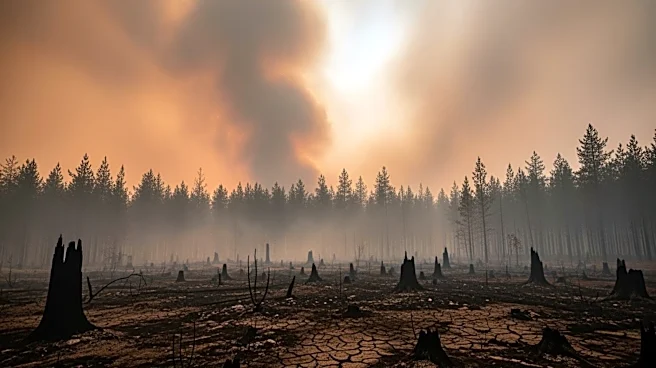
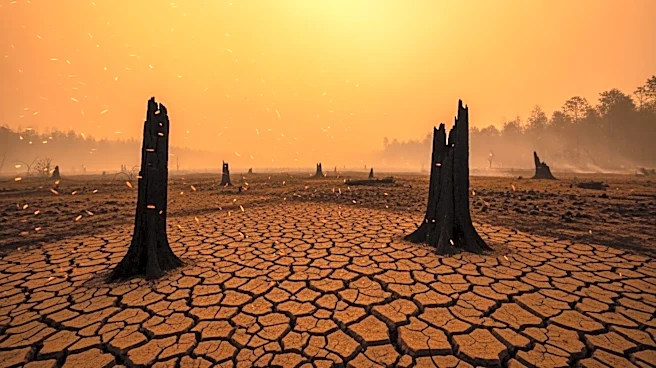
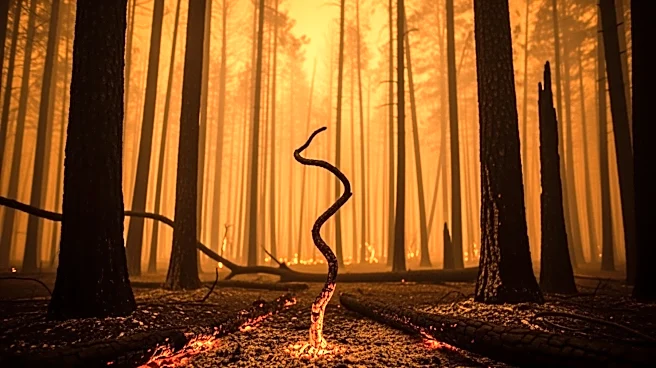
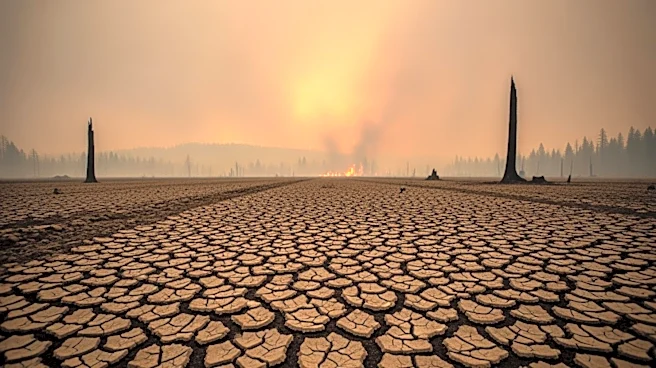
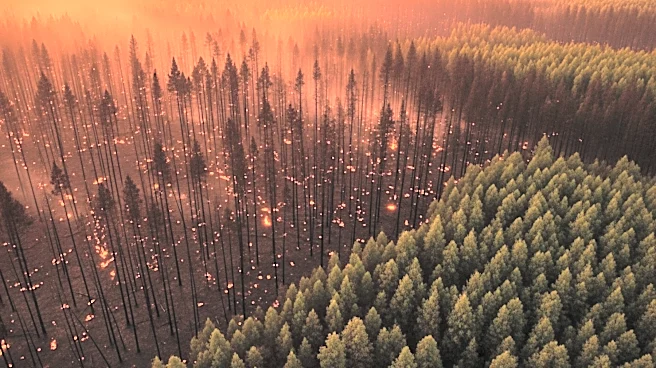
A wildfire in Southeast Georgia has destroyed dozens of homes and spread over 5,000 acres, fueled by dry conditions and gusty winds. The persistent drought in the region has exacerbated the situation, prompting Georgia Governor Brian Kemp to declare a state
of emergency for 91 counties in South Georgia. The blaze has led to evacuations as firefighters work to contain the spread and protect communities. The wildfire is part of a broader pattern of increased fire activity in the Southeast, driven by unfavorable weather conditions.
Why It's Important?
The destruction caused by the Georgia wildfire highlights the vulnerability of communities to natural disasters, particularly in regions experiencing prolonged drought. The economic impact includes potential losses in property, agriculture, and local businesses, as well as the cost of firefighting efforts. The situation underscores the challenges posed by climate change, which is contributing to more frequent and severe wildfires. The state of emergency declaration allows for the mobilization of resources and support to affected areas, but long-term solutions are needed to address the underlying causes and improve resilience.
What's Next?
Efforts to contain the wildfire in Georgia will continue, with additional resources likely to be deployed to assist in firefighting and recovery operations. Residents in affected areas are advised to follow evacuation orders and stay informed about the latest developments. The state government may seek federal assistance to support recovery efforts and address the broader impacts of the drought. The situation highlights the need for comprehensive strategies to manage wildfire risks and enhance community preparedness.