
What's Happening?
The European Union has agreed to a new round of sanctions against Russia, marking the 21st sanctions package since February 2022. The negotiations were complex, with Greece securing an exemption to continue
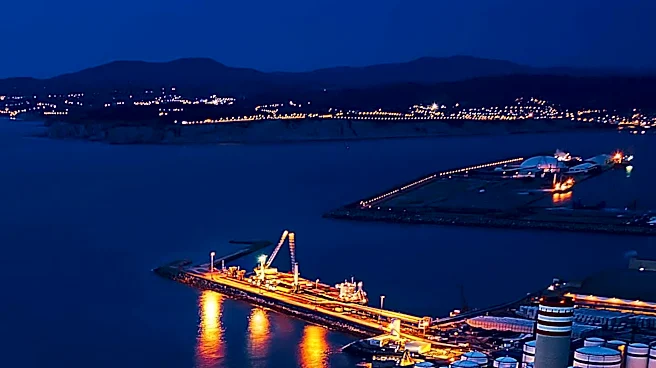
shipping Russian LNG to non-EU clients. This exemption allows Greece to maintain its shipping operations, which are crucial to its economy. The sanctions package also includes a freeze on the oil price cap at $44 per barrel for 12 months, aiming to prevent Russia from benefiting from market fluctuations. Additionally, the package targets Russian banks, crypto platforms, and over 250 individuals and companies linked to the invasion of Ukraine.
Why It's Important?
The sanctions are part of the EU's ongoing efforts to weaken Russia's economic capabilities amid the conflict in Ukraine. Greece's exemption highlights the tension between national economic interests and collective EU policy. The decision to freeze the oil price cap is significant as it aims to stabilize the market and prevent Russia from gaining financially. The sanctions also reflect the EU's commitment to supporting Ukraine while managing internal disagreements among member states.
What's Next?
The provision allowing Greece to ship Russian LNG will be reviewed annually, potentially giving Greece leverage in future negotiations. The EU will continue to monitor the impact of these sanctions on Russia and adjust its strategies accordingly. The ongoing conflict in Ukraine and the EU's response will likely remain a focal point in European politics, with potential implications for international relations and energy markets.