


What's Happening?
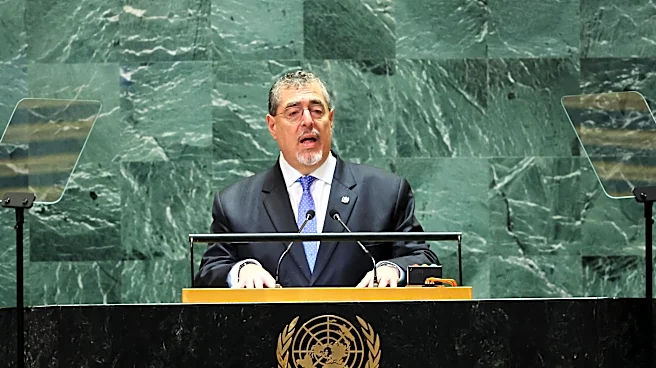
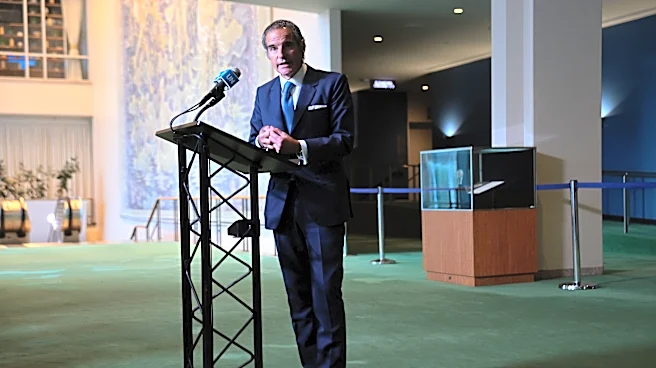
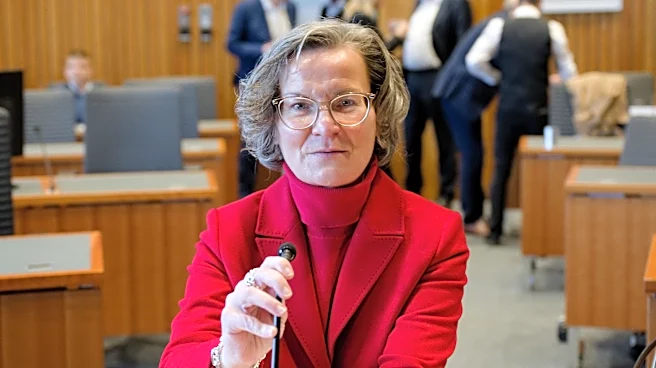
Diplomatic Attache Mohammad Al-Mulla, representing Kuwait, has reaffirmed strong support for the United Nations' special political missions. Speaking at the Fourth Committee of the UN General Assembly, Al-Mulla emphasized these missions as crucial tools
for preventive diplomacy, conflict prevention, mediation, and peacebuilding, aligning with the UN Charter's principles. He stated that the success of these missions should be measured by their ability to foster dialogue, address root causes of conflicts, and achieve peaceful, sustainable political solutions, rather than by their continued existence. Al-Mulla welcomed ongoing efforts to review the future of UN peace operations under the 'Pact for the Future,' highlighting the Secretary-General’s August 2026 report on the matter as a significant opportunity to enhance the organization's tools and adapt its response to evolving global challenges. He stressed that mission mandates must be clear, realistic, achievable, and flexible, while respecting state sovereignty, political independence, and territorial integrity. Kuwait believes UN efforts should support national solutions, not replace them, and called for adequate resources, better coordination with regional bodies, improved performance evaluation, and inclusive participation of women and youth in peacebuilding.
Why It's Important?
Kuwait's endorsement of UN political missions and the 'Pact for the Future' review underscores a broader international recognition of the need for effective multilateral approaches to global conflicts and challenges. The emphasis on clear mandates, national ownership, and adequate resourcing highlights critical areas for improving the efficacy of international peace efforts. For the U.S., which often plays a significant role in UN peacekeeping and diplomatic initiatives, this perspective from a key Middle Eastern ally is important. It suggests a shared interest in strengthening mechanisms that can prevent conflicts and foster stability, potentially reducing the need for more costly and direct interventions. The call for flexibility and adaptation in UN operations reflects a global understanding that traditional peacekeeping models may not suffice in complex modern conflicts, impacting how the U.S. might contribute to or support future UN endeavors. Furthermore, the focus on addressing root causes and promoting dialogue aligns with U.S. foreign policy goals of fostering long-term stability and preventing humanitarian crises.
What's Next?
The Secretary-General’s August 2026 report on the future of UN peace operations, under the 'Pact for the Future,' is anticipated to provide concrete recommendations for developing the UN's tools and strengthening its response to global challenges. This report will likely trigger further discussions and potential reforms within the UN General Assembly and Security Council. Member states, including the U.S., will need to consider these recommendations and decide on their implementation, which could involve changes in funding, operational strategies, and diplomatic engagement. The call for closer coordination with regional organizations suggests a future trend towards more integrated peace efforts, potentially influencing U.S. partnerships with regional bodies. Additionally, the emphasis on the effective participation of women and young people in mediation and peacebuilding may lead to new policy directives and funding allocations aimed at promoting inclusive approaches to conflict resolution.
Beyond the Headlines
The discussion around the 'Pact for the Future' and the review of UN peace operations touches upon fundamental questions regarding the future of multilateralism and international cooperation. In an era marked by geopolitical shifts and complex, interconnected crises, the ability of international bodies like the UN to adapt and remain relevant is crucial. The emphasis on respecting state sovereignty while intervening in conflicts presents a delicate balance, highlighting ongoing debates about humanitarian intervention versus national self-determination. The call for adequate financial and human resources for UN missions also points to the persistent challenge of securing sustained international commitment and burden-sharing. Ultimately, the success of these reforms will depend on the political will of member states to move beyond rhetoric and implement tangible changes that enhance the UN's capacity to prevent and resolve conflicts effectively.