








What's Happening?
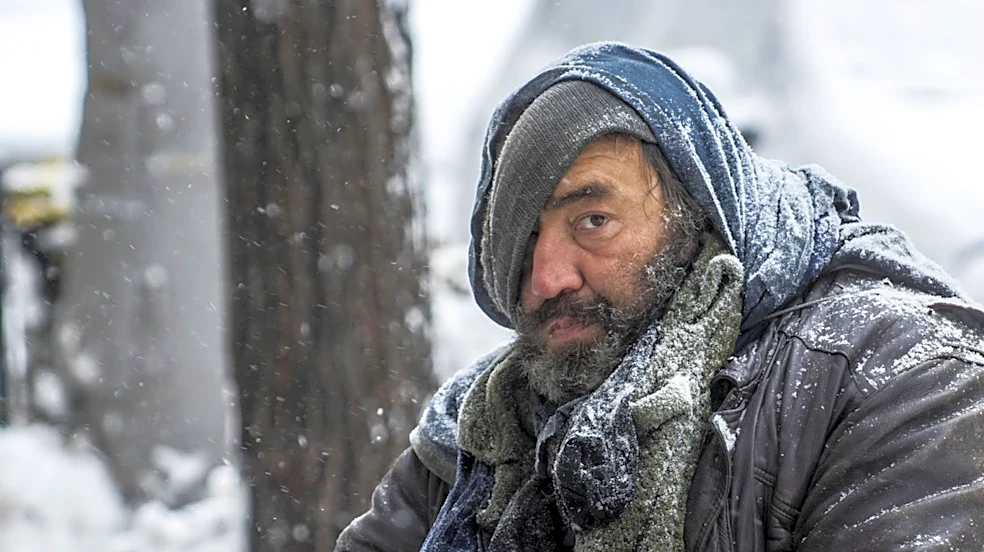
The United Nations has issued a stark warning that 19.2 million people in Afghanistan could face acute food insecurity this winter. This projection follows a period from September to October where 15.9 million Afghans, nearly one-third of the population,
were already experiencing crisis-level or worse food insecurity, with 3.4 million in emergency conditions. Olga Cherevko, a spokesperson for the UN Office for the Coordination of Humanitarian Affairs (OCHA), highlighted that despite a 13.4% increase in wheat production to 5.15 million tonnes, many families cannot afford food due to years of conflict, economic hardship, drought, and other shocks. The situation is expected to worsen significantly between November and April, with five million people potentially facing emergency levels of hunger, just one step away from famine. Furthermore, over four million children are anticipated to require treatment for acute malnutrition next year, with more than one million suffering from severe acute malnutrition. A critical concern is the closure or suspension of approximately one-third of nutrition centers across the country, largely due to declining humanitarian funding.
Why It's Important?
This escalating food crisis in Afghanistan carries profound humanitarian and long-term societal implications. The inability of nearly 19.2 million people to secure adequate food, despite increased agricultural output, underscores a systemic issue where economic access to food is severely limited. The closure of nutrition centers due to funding cuts is particularly alarming, as it directly impacts the most vulnerable, especially children, who face irreversible consequences from malnutrition. The crisis is a direct result of prolonged conflict, economic instability, and environmental factors, which have eroded families' coping mechanisms. The UN's emphasis that humanitarian aid cannot permanently replace public services, jobs, and sustainable income sources highlights the need for comprehensive, long-term solutions beyond emergency relief. The decline in international aid since the Taliban's return to power in 2021, coupled with their restrictive policies on women's access to education and public life, further exacerbates the situation, potentially leading to a loss of essential female teachers and health workers, which would cripple recovery efforts and access to vital services.
What's Next?
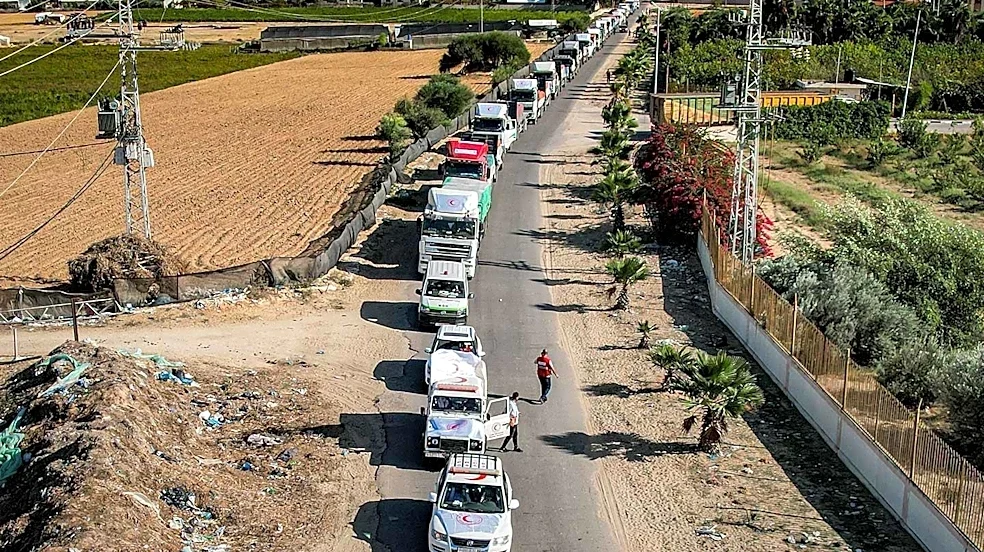
The immediate priority is to provide emergency assistance before the onset of winter to prevent further deterioration of the humanitarian situation. Olga Cherevko stressed the urgency of acting now, rather than waiting until families have exhausted all their options. This includes delivering food aid, protecting livestock and productive assets, supporting farmers before critical planting windows close, and ensuring access to essential health, nutrition, and water services. Beyond immediate relief, there is a critical need for sustained investment in agriculture, rural livelihoods, local markets, and job creation. The UN also calls for greater opportunities for women to participate in economic activity, recognizing their crucial role in household income and access to services. The international community faces the challenge of balancing humanitarian intervention with addressing the underlying causes of the crisis, including the impact of the Taliban's governance and the need for long-term development strategies to build resilience against future shocks. Without these comprehensive efforts, Afghanistan risks a deepening humanitarian catastrophe.
Beyond the Headlines
The Afghan food crisis extends beyond immediate hunger, revealing deeper ethical and systemic challenges. The paradox of increased wheat production coexisting with widespread food insecurity highlights that food availability alone is insufficient; economic access and purchasing power are equally critical. The significant decline in international aid post-2021, coupled with the Taliban's restrictive policies, particularly concerning women, creates a complex web of challenges. The potential loss of female teachers and health workers due to these restrictions not only undermines human rights but also has severe long-term consequences for public health, education, and economic recovery. This situation raises questions about the international community's responsibility to a population suffering from prolonged conflict and political instability, and the effectiveness of aid when fundamental governance and human rights issues remain unresolved. The crisis underscores the interconnectedness of political stability, economic opportunity, and humanitarian well-being, suggesting that sustainable solutions require addressing all these dimensions concurrently.