






What's Happening?
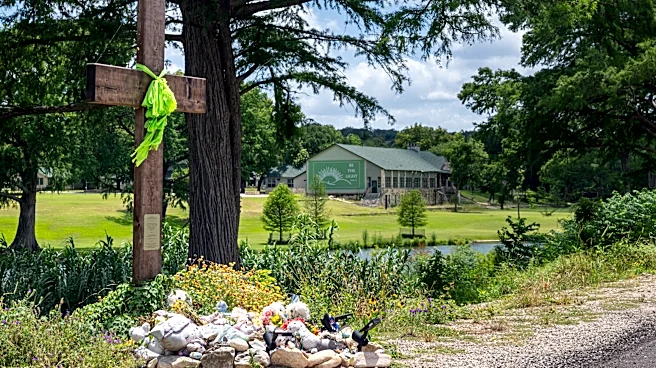
In the aftermath of the catastrophic flooding in the Texas Hill Country on July 4, 2025, which claimed over 130 lives, including 28 at Camp Mystic, families of the victims have turned their grief into advocacy. Matthew Childress, whose daughter Chloe
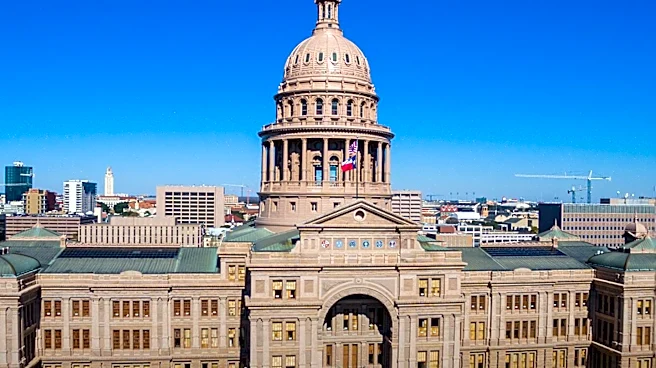
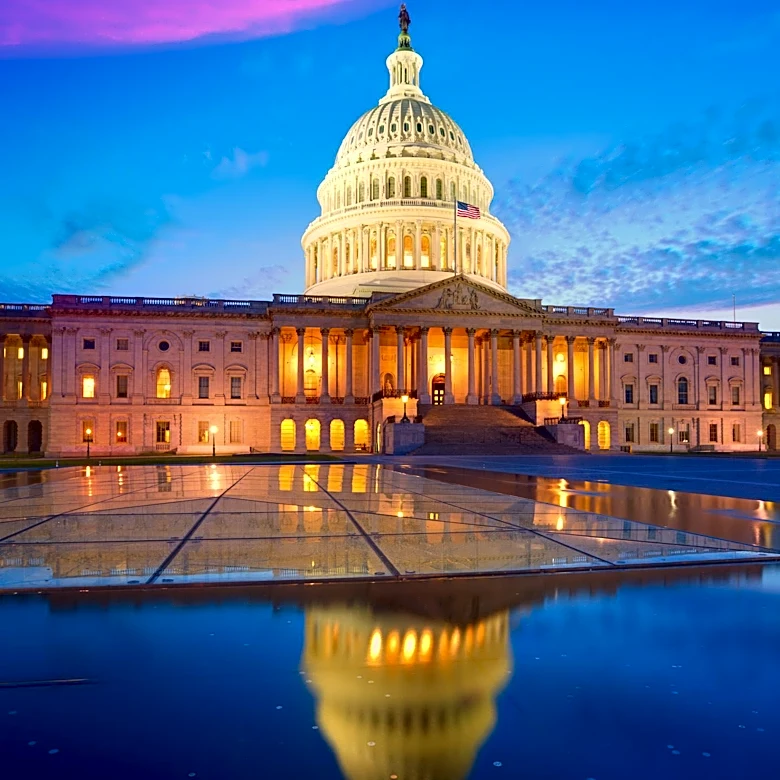
was among the deceased, has been at the forefront of efforts to push for legislative changes to improve camp safety. The flood, which saw the Guadalupe River rise dramatically, overwhelmed the camp, leading to a tragic loss of life. In response, families formed a group called 'Heaven’s 27' to honor the victims and advocate for safety reforms. They have engaged with Texas lawmakers, resulting in new laws requiring camps to have state-approved emergency plans and mandatory evacuations during flood warnings.
Why It's Important?
The legislative changes in Texas highlight the critical need for improved safety protocols in youth camps, particularly those located in flood-prone areas. The tragedy at Camp Mystic underscores the potential risks associated with natural disasters and the importance of preparedness. The new laws aim to prevent similar tragedies by ensuring camps are better equipped to handle emergencies. This initiative not only addresses immediate safety concerns but also sets a precedent for other states to follow, potentially leading to nationwide improvements in camp safety standards. The advocacy efforts by the victims' families demonstrate the power of collective action in driving policy change and ensuring accountability.
What's Next?
Following the legislative success in Texas, the advocacy group 'Heaven’s 27' is working to replicate these safety measures in other states. Similar laws have already been passed in Alabama, and efforts are underway in Maryland, Missouri, and Oklahoma. The ongoing lawsuits against Camp Mystic, which filed for bankruptcy, remain in limbo, but the families continue to seek accountability and justice. The group's work is expected to influence further legislative actions across the U.S., promoting a culture of safety and preparedness in youth camps nationwide. The continued engagement with lawmakers and public awareness campaigns are likely to keep the issue in the spotlight.
Beyond the Headlines
The tragedy at Camp Mystic has broader implications for how society addresses safety in recreational settings. It raises questions about the responsibilities of camp operators and the role of government oversight in ensuring public safety. The incident also highlights the emotional and psychological impact on families and communities, emphasizing the need for support systems for those affected by such disasters. The advocacy efforts serve as a reminder of the importance of proactive measures and the potential for positive change through legislative action. The case also illustrates the complexities of legal accountability in the face of natural disasters.