
What's Happening?
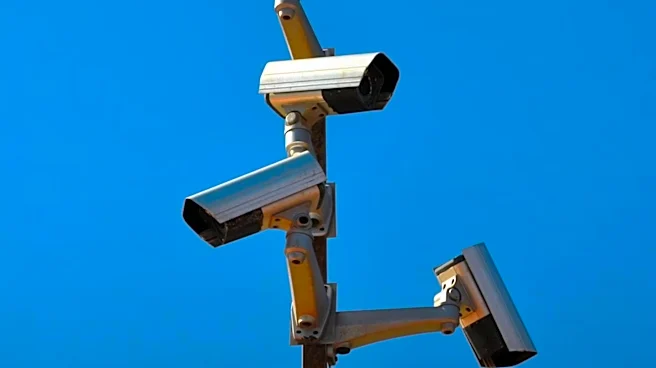
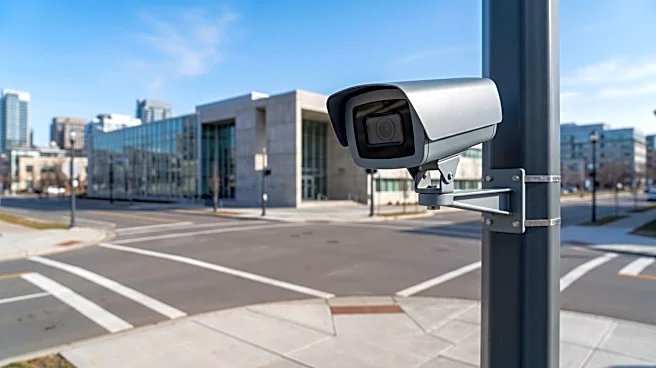
Another Flock camera in Toledo, Ohio, was found knocked over on Central Avenue near Auburn early Sunday morning. Officers from the Toledo Police Department discovered the camera pushed to the ground just
before 2 a.m. This incident is part of a larger trend of vandalism targeting Flock cameras in the area over the past several months. The repeated acts of vandalism reflect a growing public opposition to these surveillance tools, not only in Toledo but across the country. Flock cameras are typically used by law enforcement for various purposes, including tracking vehicles and assisting in criminal investigations. The ongoing destruction of these cameras indicates a significant level of community discontent regarding their presence and use.
Why It's Important?
The repeated vandalism of Flock cameras in Toledo highlights a growing tension between law enforcement's use of surveillance technology and public concerns over privacy and civil liberties. This trend is important because it signifies a broader national debate about the appropriate balance between public safety and individual rights in the digital age. For law enforcement, these cameras are valuable tools for crime prevention and investigation, potentially aiding in solving cases and deterring criminal activity. However, for a segment of the public, they represent an intrusive expansion of government surveillance, raising fears about constant monitoring and potential misuse of data. The acts of vandalism, while illegal, serve as a visible manifestation of this public resistance, indicating that communities are actively pushing back against technologies they perceive as infringing on their freedoms. This situation could influence future policy decisions regarding surveillance technology implementation and oversight.
What's Next?
In response to the ongoing vandalism, Toledo authorities may increase security measures around Flock cameras or explore alternative surveillance technologies. There could also be a push for more public dialogue and community engagement to address the concerns driving the opposition. Law enforcement might need to articulate more clearly the benefits and safeguards associated with these cameras to build public trust. Conversely, civil liberties advocates may intensify their campaigns against widespread surveillance, potentially leading to legal challenges or local ordinances restricting the use of such devices. The continued vandalism could also prompt a reevaluation of the cost-effectiveness of deploying and maintaining these cameras if they are frequently damaged, leading to a potential shift in how Toledo approaches urban surveillance.
Beyond the Headlines
The vandalism of Flock cameras in Toledo points to a deeper societal struggle over the role of technology in governance and the evolving definition of privacy in an increasingly monitored world. This issue extends beyond simple property damage; it reflects a fundamental distrust in institutions and a desire for greater transparency and accountability in how data is collected and used. The public's resistance suggests a growing awareness of the potential for surveillance technologies to create a 'chilling effect' on civil liberties, where individuals might self-censor or alter their behavior due to the perception of constant monitoring. This situation could catalyze broader discussions about digital rights, data governance, and the ethical implications of AI-powered surveillance systems, potentially influencing national conversations about privacy legislation and the future of smart city initiatives.