




What's Happening?
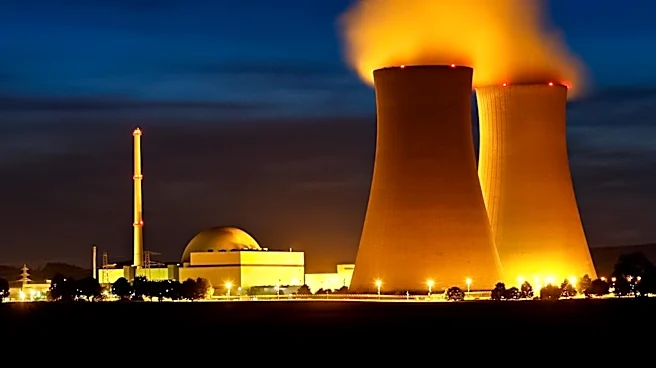
Ukraine's Zaporizhzhia nuclear power plant has once again lost all external electricity supplies, marking the 27th such incident since the conflict began. The International Atomic Energy Agency (IAEA) reported on Sunday that the plant disconnected from
its sole remaining external power line, Ferosplavna-1, in the early morning. This outage has forced the facility to rely on emergency diesel generators to power essential safety functions, including reactor cooling. The cause and exact location of the disconnection are currently unknown. According to information provided to the IAEA team stationed at the plant, the existing fuel reserves are sufficient to operate a limited number of emergency diesel generators for approximately two weeks. IAEA Director General Rafael Grossi has emphasized the critical importance of restoring the plant's connection to the electricity grid and increasing diesel fuel reserves to ensure continued nuclear safety.
Why It's Important?
The repeated loss of external power at the Zaporizhzhia nuclear power plant highlights a severe and ongoing nuclear safety risk. Each incident forces the plant to depend on emergency diesel generators, which are a temporary solution and not designed for prolonged use. This situation increases the potential for a catastrophic nuclear accident, which could have devastating environmental and health consequences far beyond Ukraine's borders. The reliance on limited fuel reserves for these generators introduces a critical vulnerability; if these reserves are depleted before external power is restored, the plant's cooling systems could fail, leading to a meltdown. The international community, including the U.S., has a vested interest in preventing such an event, as a nuclear incident could destabilize global energy markets, trigger widespread panic, and necessitate extensive international humanitarian and environmental responses. The precariousness of the situation underscores the urgent need for a secure and stable power supply to the plant.
What's Next?
The immediate priority is to determine the cause and location of the power line disconnection and to restore the plant's connection to the external electricity grid. IAEA Director General Rafael Grossi has stressed the importance of this restoration and the need to increase diesel fuel reserves to bolster nuclear safety. The IAEA team on-site will continue to monitor the situation closely and provide updates. International diplomatic efforts are likely to intensify to ensure the plant's safety and to prevent future disruptions. This incident will likely prompt renewed calls for a demilitarized zone around the plant and for all parties to adhere to nuclear safety principles. The long-term solution involves securing a stable and reliable power supply, which may require significant infrastructure repairs and a cessation of hostilities in the vicinity of the plant.
Beyond the Headlines
The recurring power outages at the Zaporizhzhia nuclear power plant expose the profound ethical and legal challenges of operating critical nuclear infrastructure in a conflict zone. The principle of nuclear safety, which underpins the peaceful use of nuclear energy, is severely compromised when a plant is subjected to such frequent disruptions. This situation raises questions about accountability for potential environmental damage and the long-term health impacts on affected populations. Culturally, the threat of a nuclear incident evokes historical anxieties, particularly in Europe, and could lead to a broader re-evaluation of nuclear energy's role in national energy strategies, even for countries not directly involved in the conflict. The ongoing crisis at Zaporizhzhia serves as a stark reminder of the interconnectedness of global security, energy policy, and environmental protection, highlighting the need for robust international frameworks to safeguard nuclear facilities during times of conflict.