






What's Happening?
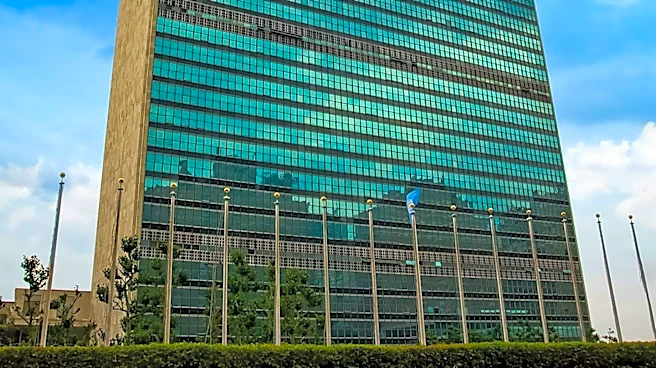
Carmen G. Cantor, Deputy Executive Director of the Counter-Terrorism Committee Executive Directorate, delivered a briefing to the UN Security Council on the ongoing threats posed by Daesh and its affiliates. The briefing highlighted the resilience and adaptability
of these groups despite international counter-terrorism efforts. Key issues discussed included the humanitarian challenges following the closure of Al-Hol Camp, the use of emerging technologies by terrorist groups, and the need for effective prosecution, rehabilitation, and reintegration measures. The briefing emphasized the global scope of the threat, with particular focus on Africa, Iraq, and Syria, and underscored the importance of international cooperation and compliance with human rights law in counter-terrorism efforts.
Why It's Important?
The briefing underscores the persistent and evolving nature of global terrorism, highlighting the need for sustained international cooperation to address these threats. The use of emerging technologies by terrorist groups poses new challenges, requiring updated strategies and resources. The situation in regions like Africa, Iraq, and Syria remains critical, with potential implications for global security and stability. The emphasis on human rights-compliant measures reflects the need to balance security with ethical considerations, impacting international policy and cooperation frameworks.
What's Next?
The UN and its member states are expected to continue enhancing their counter-terrorism strategies, focusing on technology governance and international cooperation. The Counter-Terrorism Committee will assess member states' implementation of Security Council resolutions to identify effective practices and gaps. Future efforts will likely involve strengthening regional cooperation, particularly in Africa and the Middle East, and addressing the humanitarian aspects of counter-terrorism, such as the reintegration of former affiliates and their families.