





What's Happening?
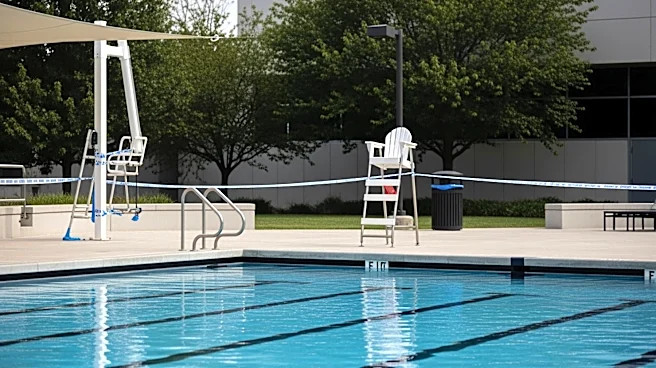
The Centennial Park Aquatic Center in Orland Park, Illinois, has been temporarily closed following the detection of two cases of Escherichia coli (E. coli) potentially linked to the public pool. The closure was initiated after a staff member reported
being treated for E. coli, with another case remaining unconfirmed. In response, the village conducted extensive water quality testing, added chlorine to all pools, and inspected chemical distribution systems and concession stands. Surfaces such as guard stations, chairs, restrooms, and locker rooms were also cleaned. Despite these measures, the village stated that there is no indication the infection originated at the aquatic center, and all water quality results meet health standards. The pool, which opened for the summer on May 23, features various attractions including a zero-depth pool and a lazy river. Visitors who recently attended the facility and exhibit symptoms like diarrhea, stomach cramping, or fever are advised to seek medical attention.
Why It's Important?
The temporary closure of the Centennial Park Aquatic Center highlights the importance of public health and safety in recreational facilities. E. coli infections, though often harmless, can lead to severe health issues, particularly in vulnerable populations. This incident underscores the need for rigorous health and safety protocols in public pools to prevent the spread of infections. The closure also impacts the local community, as the aquatic center is a popular summer destination. Ensuring the safety of such facilities is crucial for maintaining public trust and preventing potential health crises. The situation serves as a reminder of the responsibilities of local authorities to monitor and maintain public health standards in community spaces.
What's Next?
The aquatic center is expected to reopen once all safety measures are confirmed and the facility is deemed safe for public use. The village will continue to monitor the situation closely, conducting further testing and inspections as necessary. Patrons and staff are encouraged to report any symptoms of illness to healthcare providers promptly. The incident may lead to increased scrutiny and possibly stricter regulations for public pools to prevent similar occurrences in the future. Community members and local health officials will likely engage in discussions about enhancing safety protocols and ensuring the well-being of visitors.