
What's Happening?
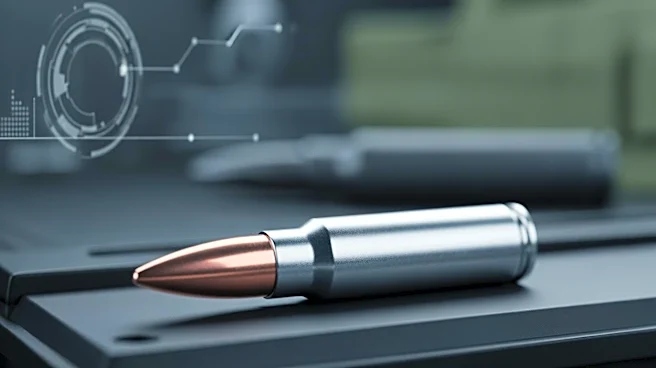
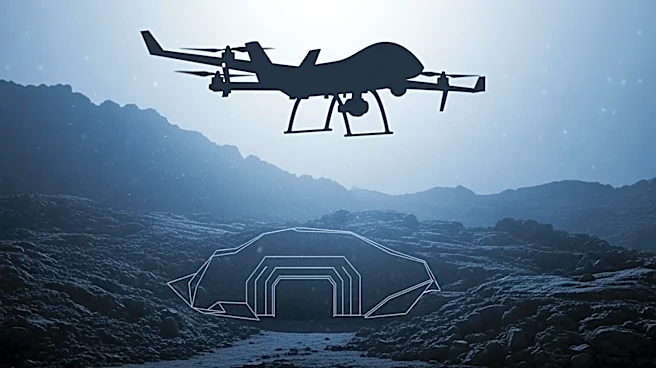
The US Army has successfully conducted a live-fire test of a new air-delivered bunker-busting warhead, known as the Bunker Rupture and Kinetic Explosive Round (BRAKER), at Redstone Arsenal in Alabama.
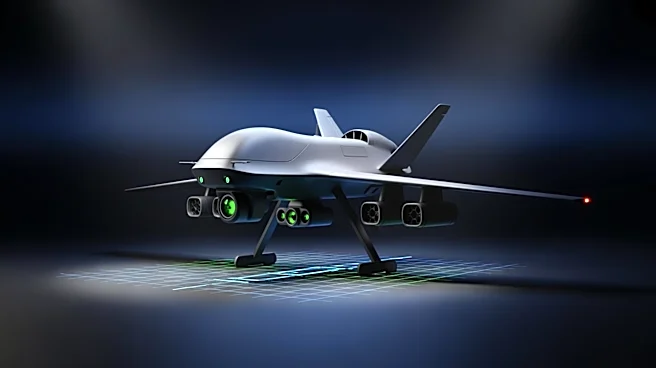
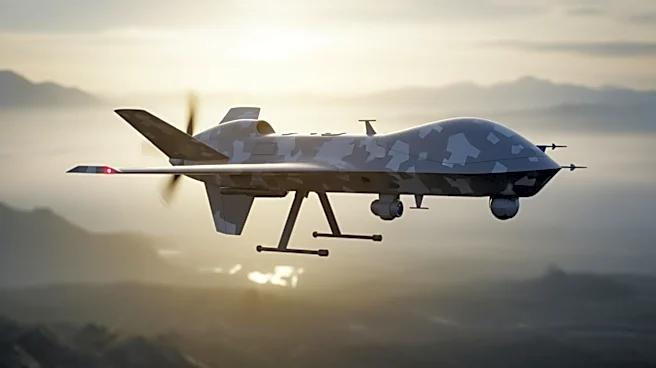
This demonstration, which took place on March 26, involved the deployment of the warhead via uncrewed aerial systems (UAS). The project is a collaboration between the US Army Combat Capabilities Development Command (DEVCOM) Armaments Center and Project Manager Close Combat Systems (PM CCS). The development process, which began in early March, utilized additive manufacturing techniques such as 3D printing to design and produce the warhead for lightweight drones. The team at Picatinny Arsenal conducted several compatibility tests before assembling approximately a dozen warheads, one of which was tested on a temporary bunker prior to the live demonstration. The successful test underscores the potential for integrating new munitions with drone technology.
Why It's Important?
The successful test of the BRAKER warhead represents a significant advancement in military technology, particularly in the integration of munitions with drone systems. This development could enhance the US Army's capabilities in delivering precise and devastating effects from small unmanned aircraft systems, providing a tactical advantage in combat scenarios. The rapid development and deployment of such technology highlight the US Army's ability to innovate and adapt quickly to emerging threats. This capability could potentially reshape military strategies and operations, offering new methods for engaging targets with reduced risk to personnel. The integration of drones with advanced munitions also reflects broader trends in modern warfare, where technology plays an increasingly critical role in achieving strategic objectives.
What's Next?
Following the successful demonstration, the US Army plans to further develop the architecture for integrating lethal payloads with UAS platforms. This includes the creation of the Picatinny Common Lethality Integration Kit, which will enable the safe and effective pairing of these payloads with drones. The Army aims to scale this capability, potentially involving industry partners to expand the use of this technology. Future steps may include additional testing and refinement of the system, as well as exploring new applications for the BRAKER warhead in various combat scenarios. The continued development of this technology could lead to broader adoption within the military, influencing future procurement and operational strategies.