






What's Happening?
The week of July 12-18, 2026, is significant for space policy developments in the U.S. Congress. Key events include congressional hearings on space-related nominations and the anticipated launch of SpaceX's Starship IFT-13. The Senate Armed Services Committee
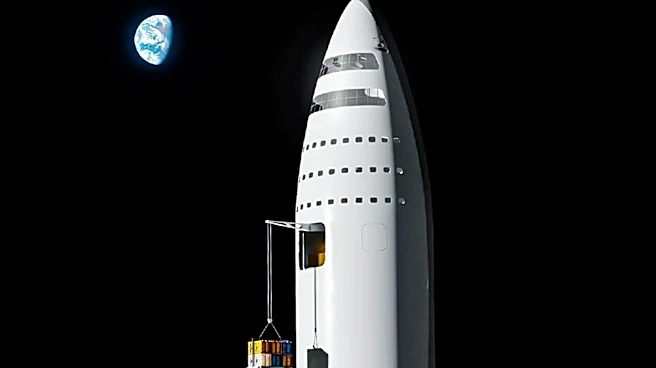
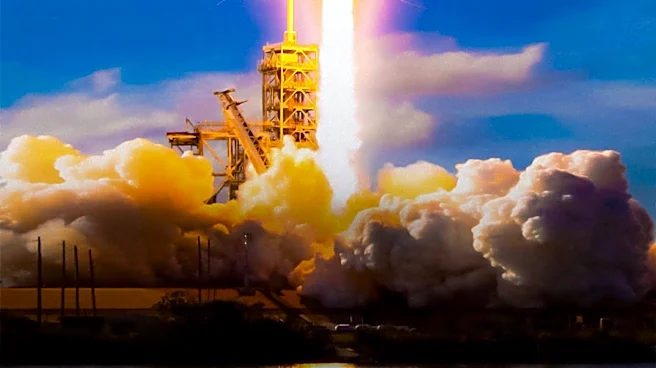
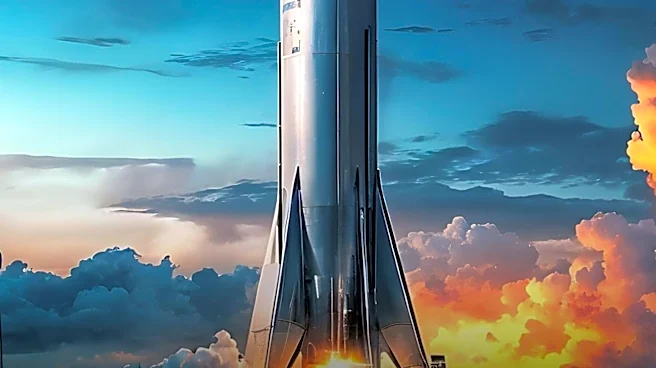
is set to hold hearings for nominees to space-related positions, including the Director of the National Reconnaissance Office and the Assistant Secretary of the Air Force for Space Acquisition. Additionally, the House Science, Space, and Technology Committee will discuss the Office of Space Commerce's mission authorization proposal. Meanwhile, SpaceX is preparing for the 13th Starship Integrated Flight Test, a suborbital test flight that will deploy Starlink satellites.
Why It's Important?
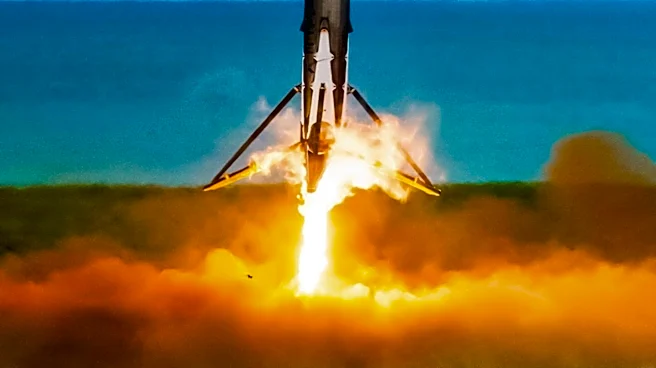
These developments are crucial for shaping U.S. space policy and advancing space exploration and defense capabilities. The congressional hearings will influence leadership in key space-related positions, impacting future policy decisions and funding allocations. The SpaceX Starship test is part of ongoing efforts to develop reusable spacecraft, which could revolutionize space travel and satellite deployment. Successful tests could enhance the U.S.'s competitive edge in the global space industry and support commercial and governmental space missions. The discussions on mission authorization reflect the need for regulatory frameworks to accommodate emerging commercial space activities.
What's Next?
Following the hearings, the Senate will decide on the nominations, potentially affecting the direction of U.S. space policy. The outcome of the SpaceX Starship test will be closely monitored, with implications for future launches and commercial space ventures. The House committee's discussions may lead to legislative proposals to regulate new space activities, influencing the commercial space sector. Stakeholders in the space industry will be watching these developments to assess their impact on business opportunities and regulatory compliance.