









What's Happening?
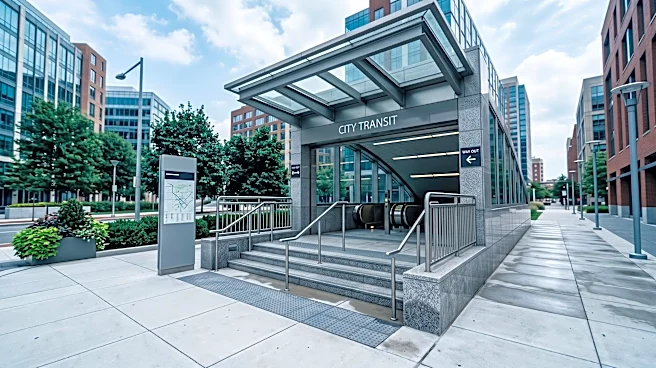
San Francisco city leaders have announced a $12.25 million initiative to enhance public safety around two troubled BART stations in the Mission District. The plan, unveiled by Mayor Daniel Lurie and Supervisor Jackie Fielder, includes immediate law enforcement
measures and longer-term investments. The San Francisco Police Department is increasing nighttime patrols near the 16th and 24th Street BART stations, and sheriff's deputies will be deployed along Mission Street between 16th and 24th streets for the next six months. Additionally, 16 California Highway Patrol officers have begun a 60-day deployment to support citywide law enforcement efforts. The funding for this initiative comprises $9.25 million from the philanthropic organization Crankstart and $3 million in state funding secured by Assemblymember Jesse Gabriel. Beyond increased police presence, the plan also allocates funds for expanded civilian ambassador coverage, improved lighting, public safety technology, and upgrades around Marshall Elementary School, including fencing, murals, landscaping, and a dedicated Spanish-speaking community ambassador.
Why It's Important?
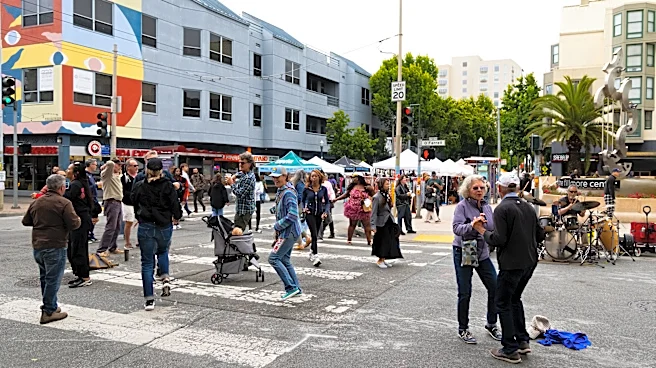
This initiative is important as it directly addresses long-standing public safety concerns voiced by residents and businesses in San Francisco's Mission District, particularly around the 16th and 24th Street BART stations. The combination of increased law enforcement presence and community-focused investments aims to create a safer environment for commuters, residents, and students. The involvement of both private sector funding from Crankstart and state funding highlights a collaborative effort to tackle urban safety challenges. If successful, this plan could serve as a model for other urban areas facing similar issues of street disorder and public safety. However, some residents express concerns that increased enforcement might merely displace problems to other areas, underscoring the need for comprehensive solutions that address underlying causes of street disorder, such as mental illness and drug use. The plan's success will be measured not only by a reduction in crime but also by the community's perception of safety and the effectiveness of its long-term investments.
What's Next?
The increased law enforcement presence, including additional police patrols, sheriff's deputies, and California Highway Patrol officers, is being implemented immediately. Other improvements, such as lighting upgrades and expanded ambassador coverage, are expected to take a few months as the city processes grant applications and begins implementation. City leaders, including Mayor Lurie, have acknowledged concerns from residents about the potential for problems to shift to other blocks and have committed to concrete steps that will make a real difference. Supervisor Fielder's office has been advocating for these community ambassadors and BART plaza improvements for over a year, indicating a sustained effort. The city also plans to expand nighttime street outreach and cleaning services. While the immediate focus is on enforcement, there is an understanding among some stakeholders that long-term success will require pairing these measures with social services to address the root causes of street disorder.
Beyond the Headlines
The San Francisco safety plan touches upon broader societal challenges related to urban development, public health, and social equity. The concerns raised by residents about the displacement of issues rather than their resolution highlight the complex interplay between law enforcement and social services. While increased police presence can offer immediate relief, the long-term effectiveness hinges on addressing underlying factors such as mental health crises, homelessness, and substance abuse. The inclusion of community ambassadors and school improvements suggests a recognition of the need for holistic approaches that go beyond punitive measures. This initiative could spark discussions about the balance between security and social support in urban environments, and how public and private partnerships can be leveraged to create sustainable solutions. The ethical implications of increased surveillance and potential criminalization of vulnerable populations will also be a critical aspect to monitor as the plan unfolds.