






What's Happening?
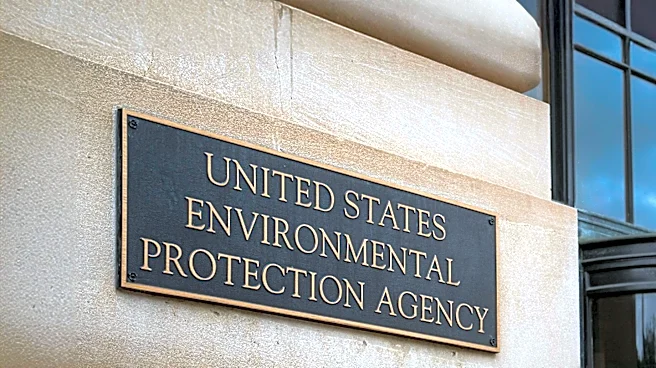
Federal agencies in the United States continue to offer channels for consumers to file complaints about fraud, unsafe products, and other issues, despite facing budget cuts and reduced regulatory oversight. The Federal Trade Commission (FTC) handles complaints related
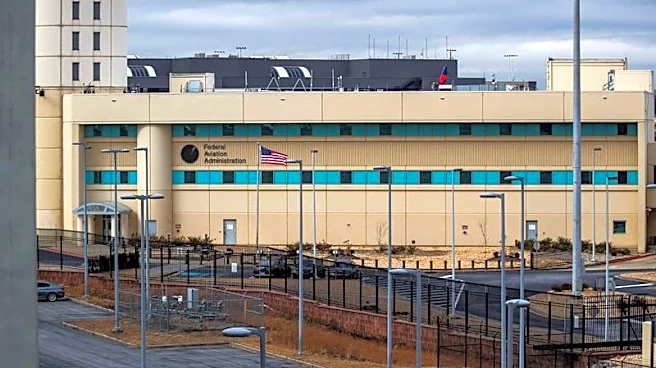
to product and service fraud, often collaborating with state agencies for investigations. The Consumer Financial Protection Bureau (CFPB) addresses issues within the financial services sector, including credit scorers and non-bank lenders. Additionally, the Consumer Product Safety Commission provides a database for product recalls and warnings. The Federal Aviation Administration (FAA) manages complaints about airline travel issues, while the FBI's Internet Crime Complaint Center focuses on online criminal activity. Despite the challenges, these agencies remain active in logging complaints, which are shared with Congress and state legislators to inform budgets and investigations.
Why It's Important?
The ability for consumers to file complaints with federal agencies is crucial for maintaining accountability and transparency in the marketplace. These complaints help identify patterns of fraud and unsafe practices, prompting investigations and potential regulatory actions. Although federal consumer watchdogs have been downsized, their continued operation is vital for protecting consumer rights and ensuring companies adhere to legal standards. The data collected from complaints can influence legislative decisions and resource allocation, highlighting the importance of consumer feedback in shaping public policy. This system, while strained, remains a key component in safeguarding consumer interests and promoting fair business practices.
What's Next?
As federal agencies continue to process consumer complaints, there may be increased pressure on Congress and state legislators to address the underlying issues of regulatory oversight and funding. Consumer advocates may push for reforms to strengthen the capacity of these agencies, ensuring they can effectively respond to and investigate complaints. Additionally, there could be a call for greater collaboration between federal, state, and local entities to enhance consumer protection efforts. The ongoing collection and analysis of complaint data will likely play a significant role in shaping future regulatory policies and consumer protection strategies.
Beyond the Headlines
The current state of consumer protection highlights broader issues within the U.S. regulatory framework, including the impact of budget cuts and the need for comprehensive reform. The reliance on consumer complaints to drive investigations underscores the importance of public participation in regulatory processes. This situation also raises questions about the balance between deregulation and consumer safety, as well as the role of government in protecting citizens from corporate malfeasance. Long-term, there may be a shift towards more integrated and efficient systems for handling consumer issues, potentially involving technological innovations to streamline complaint processes.