










What's Happening?
India is navigating its manufacturing growth by balancing investments from Japan and China. Recently, Japanese Prime Minister Sanae Takaichi led a business delegation to New Delhi, highlighting Japan's commitment to investing up to 10 trillion yen in India over
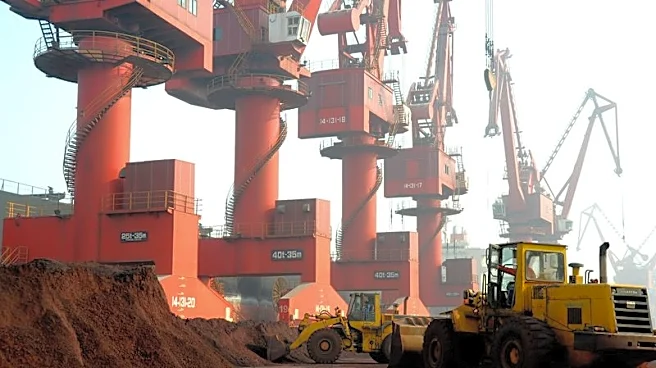
the next decade. Japan has been a significant investor in India, particularly in the financial sector, with notable investments such as MUFG's stake in Shriram Finance. Despite Japan's substantial investments, India's trade with China remains significantly higher, indicating the complementary nature of the two economies. Japan's industrial investments in India often rely on imported components from China, underscoring the interconnectedness of these economic relationships.
Why It's Important?
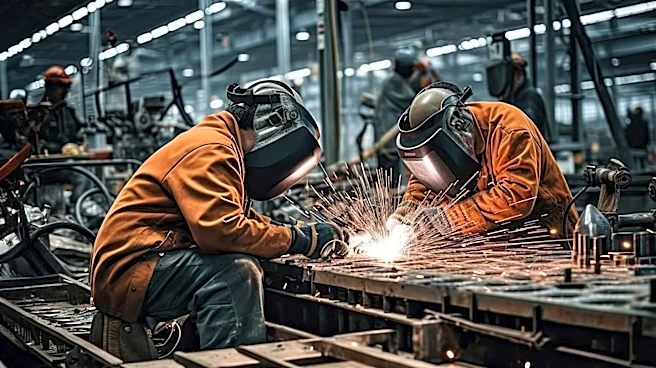
The strategic balancing of investments from Japan and China is crucial for India's economic development. Foreign direct investment (FDI) is a key driver of growth, and India's ability to attract investments from both countries can enhance its manufacturing capabilities and economic resilience. The collaboration with Japan and reliance on Chinese components highlight the importance of maintaining strong diplomatic and economic ties with both nations. This balancing act could position India as a pivotal player in the global manufacturing landscape, potentially leading to increased economic opportunities and job creation.
What's Next?
India is likely to continue fostering its relationships with both Japan and China to maximize its manufacturing growth. Future developments may include increased Japanese investments in India's infrastructure and technology sectors, as well as continued reliance on Chinese components for industrial projects. India's ability to navigate these complex economic relationships will be critical in shaping its future economic trajectory and maintaining its position as a key player in the global market.
Beyond the Headlines
The interplay between Japanese and Chinese investments in India reflects broader geopolitical dynamics in Asia. As India seeks to boost its manufacturing sector, it must carefully manage its diplomatic relationships with both countries to ensure continued economic growth. This situation also highlights the challenges and opportunities of globalization, as countries increasingly rely on cross-border investments and supply chains to drive economic development.