






What's Happening?
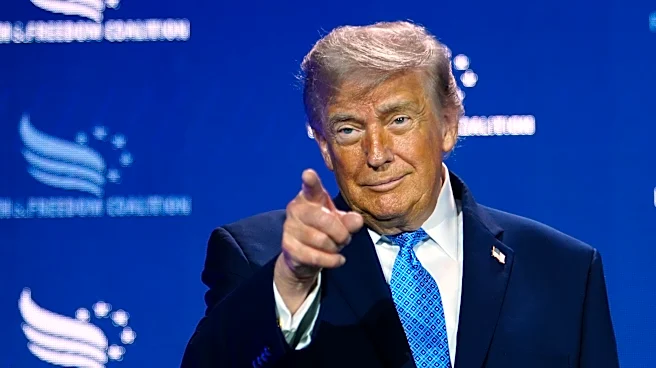
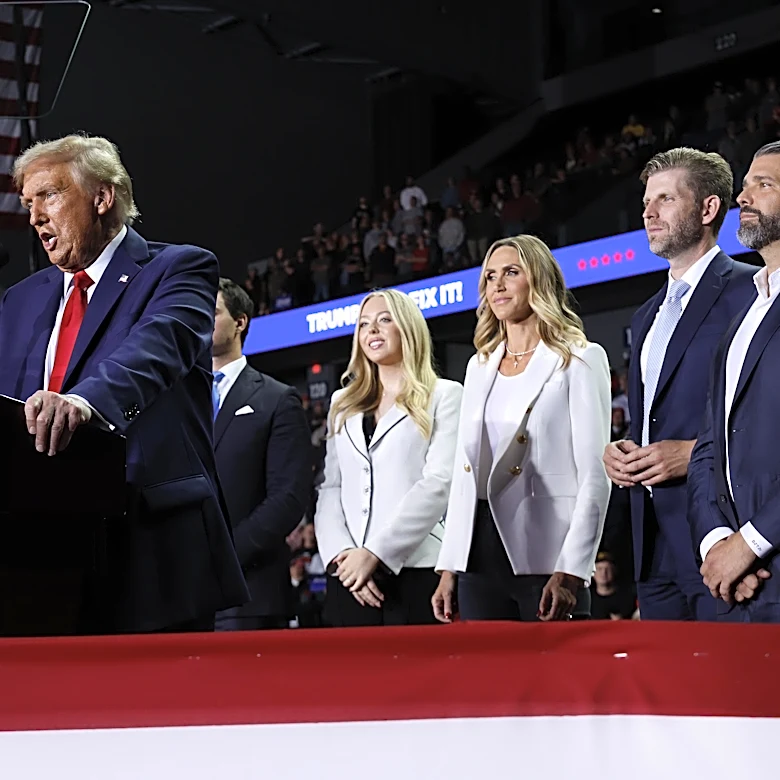
In 2025, under President Trump's administration, the United States withdrew from the Paris Agreement, reversing previous commitments to international climate initiatives. This decision led to significant changes in federal policies, including the reduction
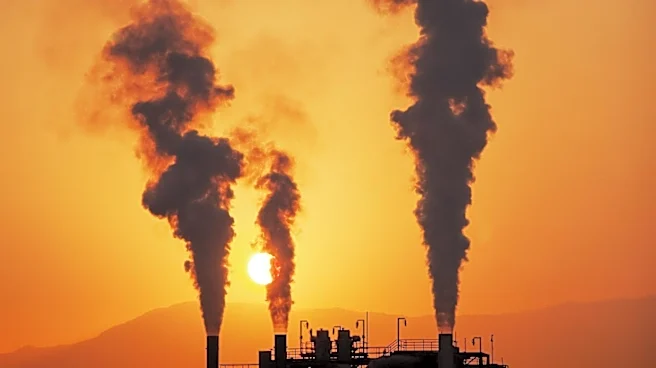
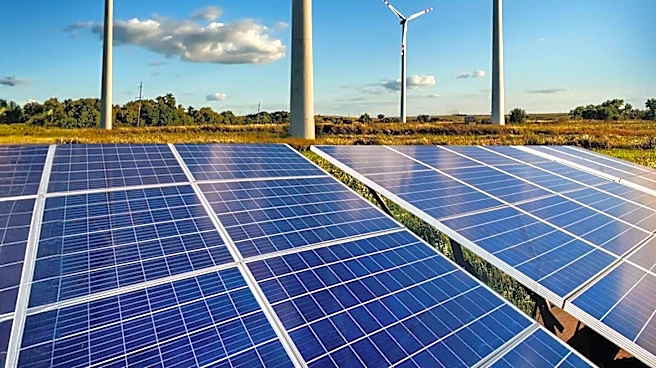
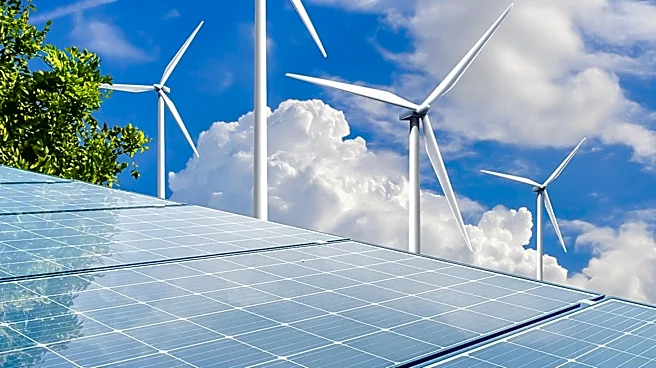
of renewable energy subsidies and increased scrutiny over permits for renewable projects. According to research from Wood Mackenzie, these policy shifts resulted in the cancellation or suspension of 7 gigawatts of renewable projects on federal lands, with an additional 92 gigawatts at risk. The administration also introduced the One Big Beautiful Bill Act, which increased federal subsidies for fossil fuels by nearly $40 billion, further supporting oil, gas, and coal industries. As a result, the U.S. saw a rise in fossil fuel production and consumption, with energy emissions increasing by 1.1% in 2025.
Why It's Important?
The U.S. withdrawal from the Paris Agreement and the subsequent policy changes have significant implications for the global fight against climate change. The increase in fossil fuel subsidies and the rollback of renewable energy support could hinder progress towards reducing carbon emissions. This shift may also impact the U.S.'s position in international climate negotiations and its ability to influence global environmental policies. The rise in energy emissions, particularly in the U.S., underscores the challenges of balancing economic growth with environmental sustainability. The decision to prioritize fossil fuels over renewables could have long-term effects on the U.S. energy sector, potentially affecting job creation, technological innovation, and the country's overall energy independence.
What's Next?
The U.S. energy policy under President Trump is likely to continue focusing on fossil fuel development, with potential implications for international climate agreements and domestic environmental regulations. Stakeholders in the renewable energy sector may need to adapt to the changing policy landscape, seeking alternative funding sources and advocating for policy changes at the state and local levels. The international community may also respond by strengthening their own climate commitments, potentially isolating the U.S. in global environmental efforts. The long-term impact on the U.S. economy and its role in global climate leadership remains to be seen.