




What's Happening?
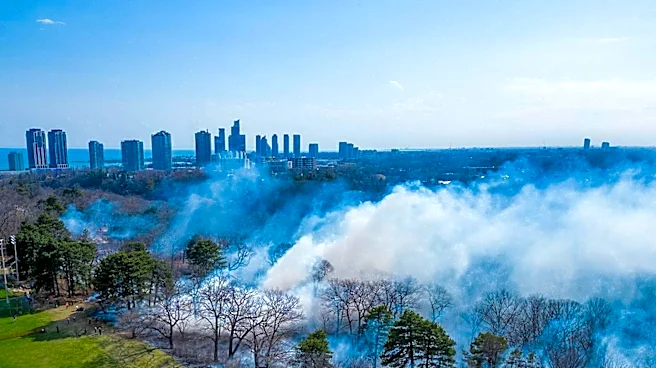
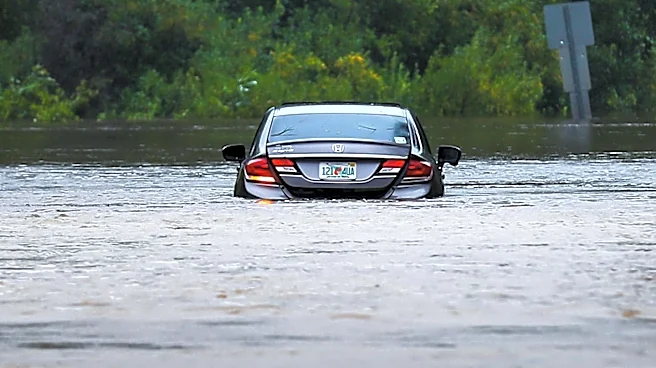
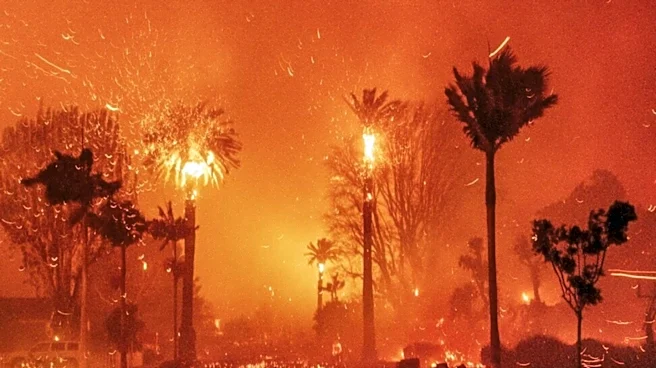
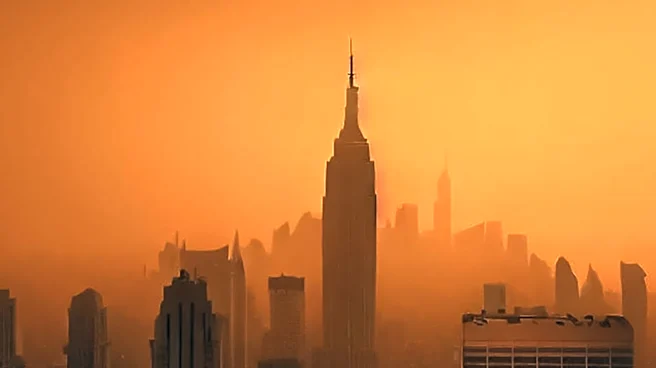
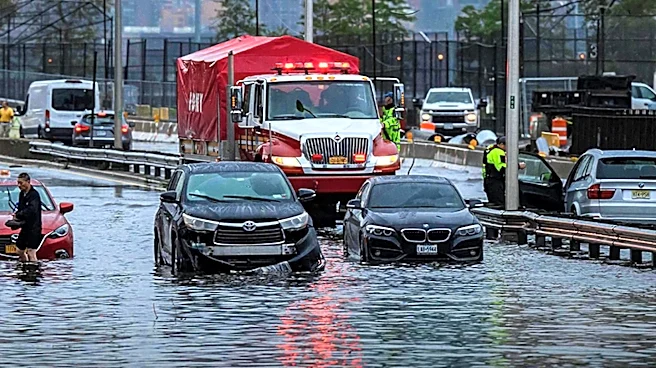
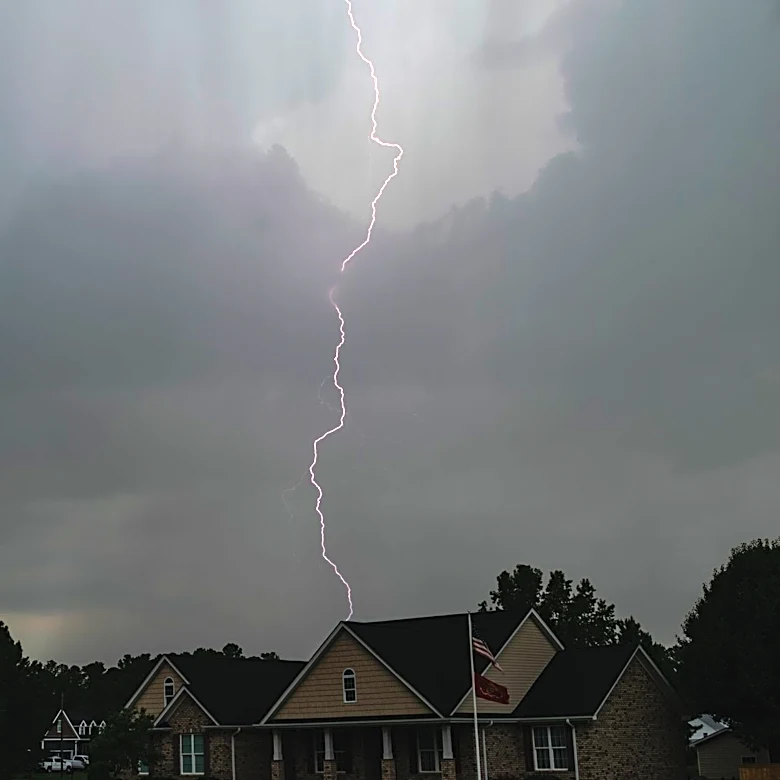
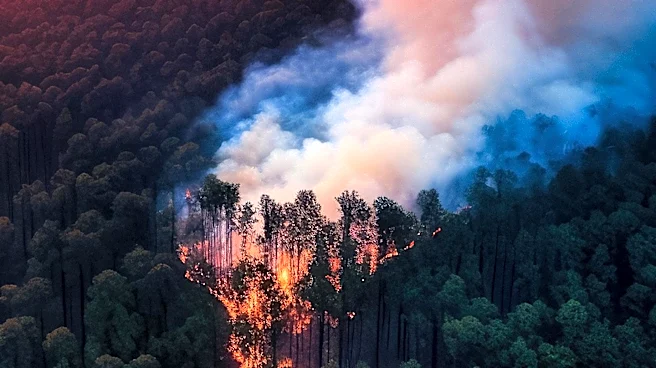
Severe storms are posing a significant threat to over 100 million people across the Northeast United States, with flash flooding already occurring in several areas. The storms coincide with lingering smoke from Canadian wildfires affecting air quality
in multiple American cities. The situation has prompted emergency responses as communities brace for potential damage and disruptions. The storms are part of a broader pattern of extreme weather events impacting the region, exacerbated by environmental factors such as wildfire smoke.
Why It's Important?
The severe weather conditions in the Northeast highlight the increasing frequency and intensity of extreme weather events, which can have widespread impacts on infrastructure, public safety, and local economies. The combination of storms and wildfire smoke poses health risks, particularly for vulnerable populations such as the elderly and those with respiratory conditions. The situation underscores the need for robust emergency preparedness and response strategies to mitigate the effects of such events. Additionally, it raises concerns about the long-term implications of climate change on weather patterns and public health.
What's Next?
Emergency services are on high alert, with efforts underway to manage flash flooding and protect affected communities. Authorities are likely to issue further warnings and advisories as the situation develops. Residents are advised to stay informed and take necessary precautions to ensure their safety. The ongoing impact of Canadian wildfire smoke may lead to continued air quality issues, prompting health advisories and potential restrictions on outdoor activities. Long-term, there may be increased calls for policy measures to address climate change and improve disaster resilience.