




What's Happening?
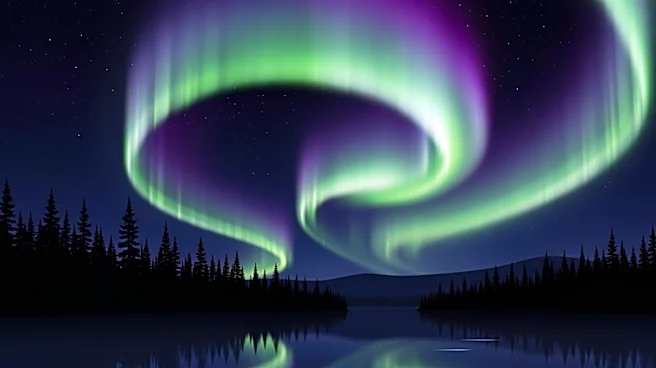
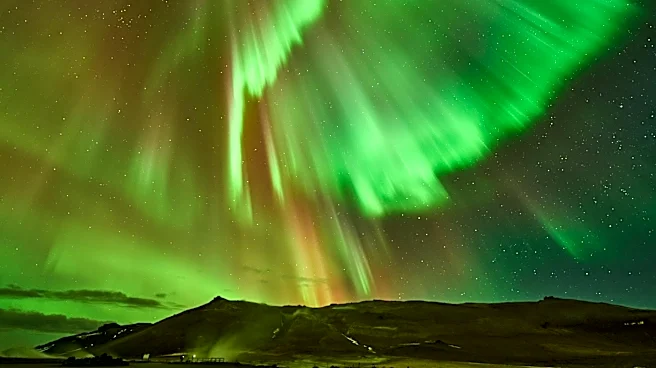
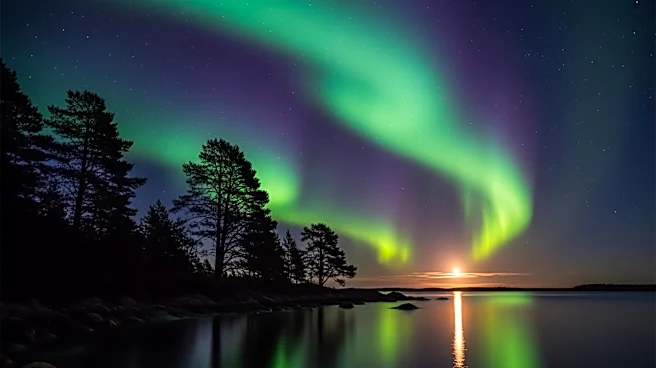
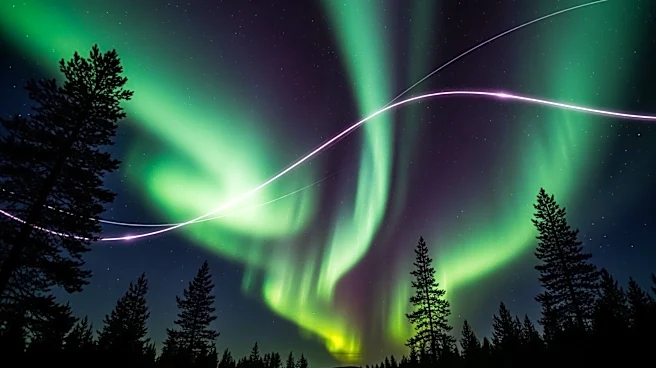
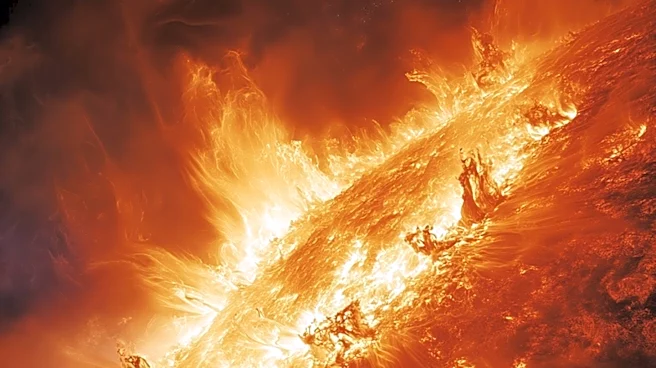
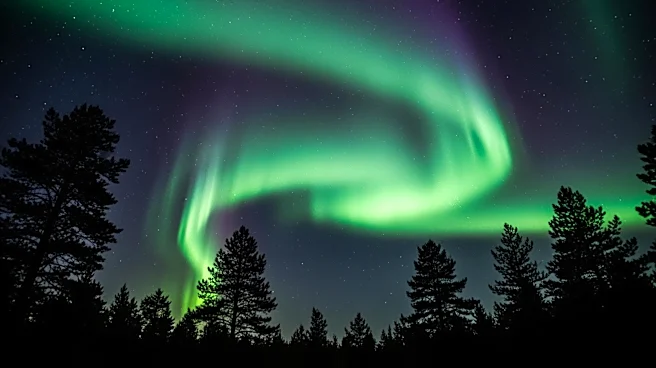
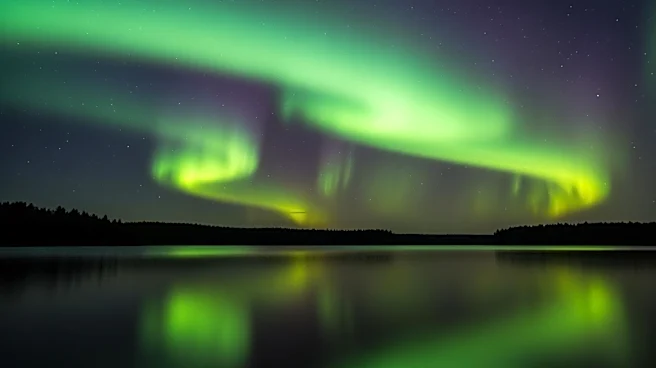
A geomagnetic storm, classified as a G3 by NOAA's Space Weather Prediction Center, is creating conditions that may allow the northern lights to be visible as far south as Massachusetts. This storm, driven by three coronal mass ejections from the sun,
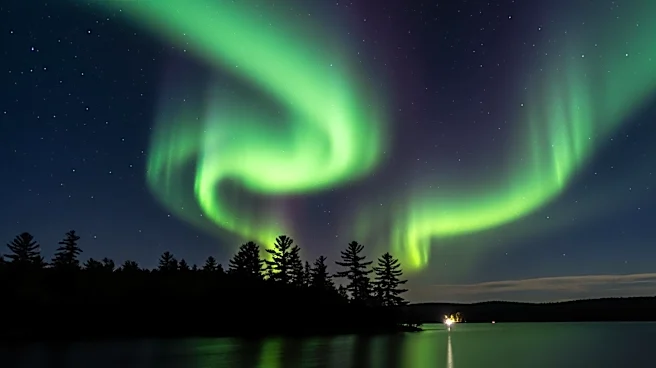
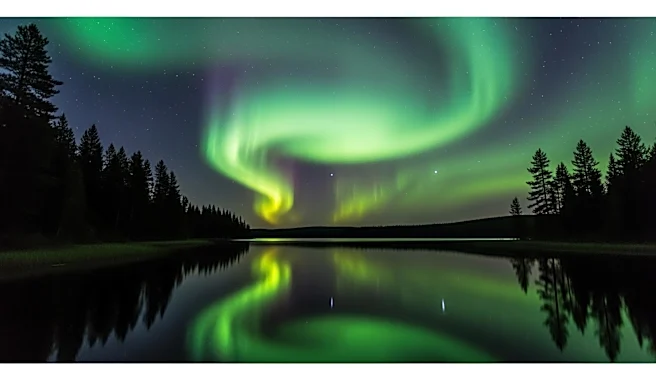
has a Planetary K-index of seven, indicating significant geomagnetic activity. The northern lights, typically seen closer to the poles, could be visible in several U.S. states, including Massachusetts, during the nights of June 4 and 5, 2026. However, partly cloudy skies may hinder visibility in some areas.
Why It's Important?
The potential visibility of the northern lights in regions not typically accustomed to such displays presents a rare opportunity for residents and tourists to witness this natural phenomenon. It highlights the impact of solar activity on Earth's atmosphere and the interconnectedness of space weather and terrestrial conditions. This event could boost local tourism and interest in space science, as people seek out optimal viewing locations. Additionally, it underscores the importance of monitoring space weather, which can affect satellite operations and power grids.
What's Next?
Observers are advised to seek out dark, open areas away from city lights for the best chance of seeing the northern lights. The Massachusetts Institute of Technology suggests locations such as conservation areas or coastlines. As the geomagnetic storm progresses, updates from NOAA and other space weather services will be crucial for those planning to view the auroras. This event may also prompt discussions on the need for improved space weather forecasting and preparedness.