






What's Happening?
The U.S. Department of State currently advises American citizens to exercise increased caution when traveling to Egypt due to risks associated with terrorism, crime, and health. Specific warnings are in place for certain areas, including parts of the
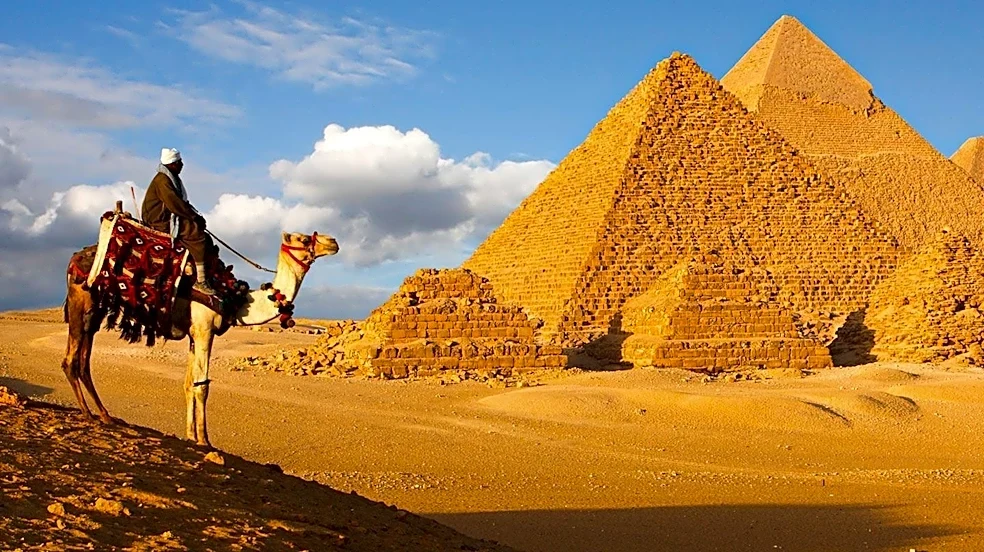
Sinai Peninsula, border regions, and sections of the Western Desert, where travel is not recommended. Despite these advisories, solo travel in Egypt is considered manageable, particularly within major tourist destinations like Cairo, Giza, Luxor, and Aswan, which are accustomed to international visitors. The guidance emphasizes thoughtful planning, securing accommodations and reliable transportation in advance, and maintaining awareness of surroundings. For solo female travelers, additional considerations include dressing respectfully in conservative areas and carefully selecting hotels and transportation services to enhance comfort and safety.
Why It's Important?
This advisory is crucial for U.S. citizens planning international travel, as it directly impacts their safety and preparedness. The distinction between general caution and specific no-travel zones helps travelers make informed decisions, balancing the desire for exploration with personal security. For the U.S. travel industry, such advisories can influence booking trends and the types of tours offered, potentially shifting demand towards guided or organized trips that mitigate perceived risks. The emphasis on pre-arranged logistics and reputable services also highlights a growing need for reliable travel infrastructure in destinations popular with American tourists. Furthermore, the advice for solo female travelers reflects a broader global concern for gender-specific safety issues, prompting U.S. travelers to consider cultural norms and take proactive measures to ensure their well-being abroad.
What's Next?
U.S. citizens planning solo trips to Egypt should continue to monitor the U.S. Department of State's travel advisories for any updates, as conditions can change. Travelers are encouraged to obtain comprehensive medical insurance, including medical evacuation coverage, and to carry copies of important documents. For those opting for independent travel, a mix of independent exploration and guided tours is suggested, especially for complex sites like Luxor. The advice to give ample time in major cities like Cairo and Luxor, and to arrange transfers before arrival, will likely become standard practice for many. The ongoing assessment of safety by the U.S. government will continue to shape travel recommendations and influence how Americans approach international destinations with varying risk profiles.
Beyond the Headlines
Beyond immediate safety concerns, the U.S. State Department's advisory for Egypt touches upon the broader cultural and ethical considerations of international travel. The recommendation for respectful dress and awareness of local customs underscores the importance of cultural sensitivity, encouraging travelers to engage with host countries thoughtfully rather than imposing their own norms. This fosters a more responsible and enriching travel experience, moving beyond mere tourism to genuine cultural exchange. The emphasis on trusting one's instincts and being firm in uncomfortable situations also highlights the psychological resilience required for solo travel, empowering individuals to prioritize their safety and well-being. This guidance contributes to a more nuanced understanding of global citizenship, where personal freedom is balanced with respect for diverse societies and an awareness of geopolitical realities.