







What's Happening?
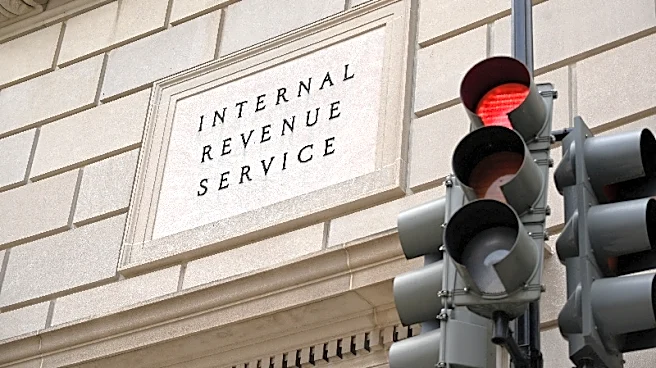
The Justice Department has announced a new $1.8 billion 'anti-weaponization' fund, intended to compensate individuals who believe they are victims of lawfare, including abortion clinic protesters. This fund was introduced by Acting Attorney General Todd
Blanche as part of a settlement to end President Trump's lawsuit against the IRS. However, the fund has been criticized for lacking the rigorous controls typically associated with such programs. Unlike past programs created by acts of Congress, this fund does not have clear protocols or transparency measures. The fund will be managed by five commissioners appointed by the attorney general, all of whom can be removed by President Trump. Critics argue that the fund lacks sufficient oversight and accountability, raising concerns about its potential misuse.
Why It's Important?
The introduction of this fund is significant as it represents a substantial financial commitment by the Justice Department without the usual safeguards. The lack of oversight and clear eligibility criteria could lead to potential misuse of taxpayer money. This development could impact public trust in government programs and raise questions about the administration's priorities in addressing claims of lawfare. The fund's structure and management could set a precedent for future government compensation programs, potentially influencing how such funds are administered and scrutinized.
What's Next?
The fund's implementation will likely face scrutiny from lawmakers and watchdog organizations. There may be calls for increased transparency and oversight to ensure that the fund is used appropriately. The appointed commissioners will need to establish clear standards for eligibility and payment distribution. Additionally, the fund's impact on individuals claiming to be victims of lawfare will be closely monitored, as will any potential legal challenges to its administration.