






What's Happening?
U.S. Representative Keith Self has introduced the Protecting Rights in Video and Equipment Acquired Discovery (PRIVACY) Act, which aims to require federal law enforcement to obtain warrants before accessing data from state and local systems, including
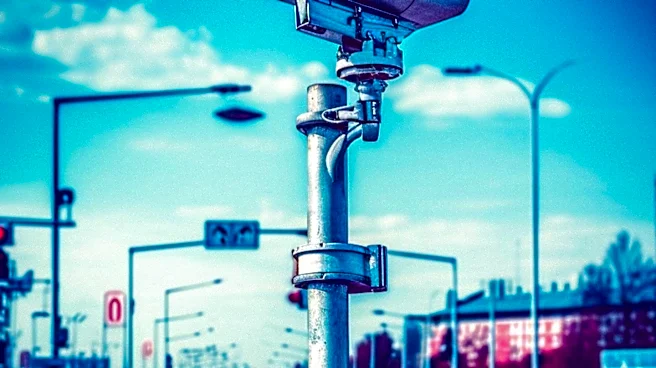
automated license plate readers (ALPRs). The legislation seeks to address concerns about privacy violations and the misuse of surveillance data collected by companies like Flock. The bill proposes creating a list of intrusive technologies and mandates that law enforcement agencies obtain a warrant before accessing them. It also limits data retention to 30 days unless it is evidence in a prosecution and prohibits the use of federal funds for purchasing or installing these technologies. The bill is co-sponsored by U.S. Representatives Eli Crane and Andrew Clyde.
Why It's Important?
The introduction of the PRIVACY Act highlights ongoing concerns about privacy and surveillance in the United States. With over 120,000 ALPR cameras installed across 49 states, the potential for privacy violations is significant. These systems track citizens' movements extensively, raising Fourth Amendment concerns about unreasonable searches and seizures. The legislation seeks to restore constitutional protections by closing loopholes that allow federal agencies to bypass warrant requirements. If passed, the bill could significantly impact how surveillance data is accessed and used by law enforcement, potentially leading to increased privacy protections for American citizens.
What's Next?
The proposed legislation will likely face scrutiny and debate in Congress, as stakeholders from various sectors, including law enforcement and civil liberties groups, weigh in on its implications. The bill's progress will depend on garnering sufficient support from lawmakers who prioritize privacy rights and constitutional protections. If enacted, the PRIVACY Act could set a precedent for future legislation aimed at regulating surveillance technologies and protecting citizens' privacy in the digital age.