






What's Happening?
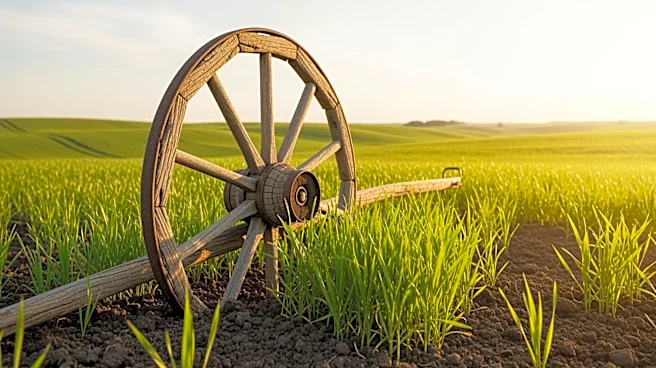
The Oregon Trail, a key migration route in the 19th century, played a crucial role in the expansion of U.S. agriculture. Stretching approximately 2,170 miles from the Missouri River Valley to the Willamette Valley in Oregon, it facilitated the movement
of over 400,000 settlers seeking farmland and new opportunities. These settlers brought seeds, livestock, and farming knowledge, significantly contributing to the growth of American farming and rural development. The trail's importance waned after the completion of the transcontinental railroad in 1869, but its legacy in shaping American agriculture remains significant.
Why It's Important?
The Oregon Trail's impact on American agriculture highlights the historical roots of the country's farming industry. It underscores the importance of migration and settlement in developing agricultural practices and expanding farmland. Understanding this history provides context for current agricultural policies and practices, emphasizing the role of innovation and adaptation in overcoming challenges. The trail's legacy continues to influence the agricultural strength of the Pacific Northwest and the broader western United States.
Beyond the Headlines
The Oregon Trail symbolizes perseverance and exploration, reflecting the determination of early settlers who risked everything for fertile land and new opportunities. This historical narrative contributes to the cultural identity of the American West and serves as a reminder of the sacrifices made to establish the agricultural foundations of the nation. The trail's story is a testament to the enduring spirit of innovation and resilience in American agriculture.