









What's Happening?
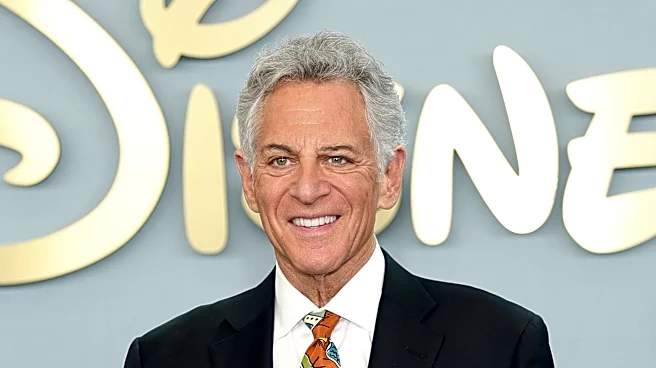
Bill Ritter, a longtime anchor for WABC's Eyewitness News, announced his departure from the anchor desk following a diagnosis of early-stage Alzheimer's disease. Ritter, who has been a prominent figure in New York journalism since joining WABC-TV in 1998,
revealed his condition during a broadcast, stating that while current treatments are managing the disease, there is no cure. Ritter has been a staple of the 6 p.m. newscast since 2001 and has had a significant impact on the station and its viewers. Despite stepping down from his anchoring duties, Ritter will continue to contribute to Eyewitness News by focusing on reporting about Alzheimer's and similar diseases, highlighting their effects on patients and families, and the financial burdens associated with treatment.
Why It's Important?
Ritter's announcement underscores the personal and professional challenges faced by individuals diagnosed with Alzheimer's, a disease that affects millions of Americans. His decision to continue reporting on health issues related to Alzheimer's brings attention to the broader societal impacts of the disease, including the need for increased awareness and resources for affected families. Ritter's ongoing involvement with Eyewitness News ensures that his experience and insights will continue to inform and educate the public, potentially influencing public policy and healthcare practices. His story also highlights the importance of addressing the financial and emotional toll of Alzheimer's on families and the healthcare system.
What's Next?
As Ritter transitions to his new role, he is expected to focus on investigative reporting related to Alzheimer's disease, aiming to shed light on the challenges faced by patients and their families. His work may influence public discourse and policy regarding healthcare support and funding for Alzheimer's research. The station, under the leadership of Marilu Galvez, will continue to support Ritter's efforts, potentially leading to increased community engagement and advocacy for Alzheimer's awareness. Ritter's personal experience with the disease, having lost his father to Alzheimer's, adds a poignant dimension to his reporting, which may resonate with viewers and stakeholders.