


What's Happening?
Oil prices have increased following the breakdown of peace talks between the United States and Iran. Brent crude, a key global oil price benchmark, rose by over 2% after the anticipated second round of ceasefire negotiations between Washington and Tehran
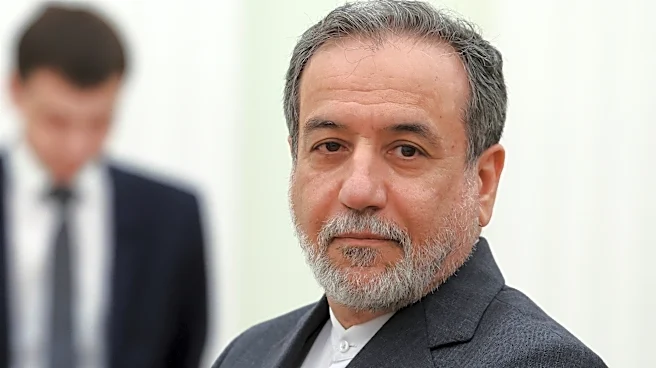
failed to materialize. The talks were expected to take place in Pakistan but were canceled after Iranian Foreign Minister Abbas Araghchi left Islamabad without engaging with US envoys. The ongoing tensions have led to threats from Tehran against commercial shipping in the Strait of Hormuz, a critical passage for global oil and natural gas supplies. This has resulted in a significant reduction in the number of vessels transiting the strait, further constraining global oil supply.
Why It's Important?
The stalled negotiations and subsequent rise in oil prices have significant implications for global markets, particularly in Asia, where stock markets have shown resilience despite the impasse. The situation underscores the fragility of global energy supplies and the potential for geopolitical tensions to disrupt markets. The Strait of Hormuz is a vital artery for the world's oil supply, and any disruption can lead to increased volatility in oil prices, affecting economies worldwide. The US's strategic decisions in handling the situation could have long-term impacts on international relations and energy security.
What's Next?
The continuation of the US-Iran standoff could lead to further disruptions in oil supply, potentially driving prices higher. The US may need to explore alternative diplomatic or economic strategies to de-escalate tensions and stabilize the oil market. Meanwhile, Iran's diplomatic engagements with Russia and other countries may influence future negotiations. The international community will be closely monitoring the situation, as prolonged tensions could have broader implications for global energy markets and geopolitical stability.