





What's Happening?
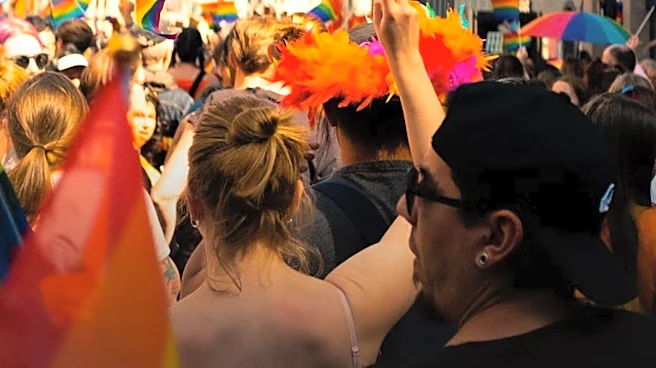
Taipei recently hosted its 24th annual Taiwan LGBT+ Pride parade, drawing tens of thousands of participants and international allies under the theme 'Our Voices, Our Journey.' The event, one of Asia's largest annual celebrations of inclusivity, saw attendees
waving rainbow flags and banners, many in colorful costumes. Organizers estimated approximately 150,000 people joined this year's parade. The march took on added significance following a police raid on a gay bar in Taipei's Ximending district earlier in the month, which resulted in over 50 patrons being taken into custody on suspicion of public decency offenses. Taipei Mayor Chiang Wan-an later issued an apology for the police conduct during the raid, and Vice President Bi-khim Hsiao joined the procession to affirm government support for LGBTQ+ rights. Despite Taiwan being the first in Asia to legalize same-sex marriage seven years ago, the incident has raised concerns about persistent stigma and the sense of safety within the LGBTQ+ community.
Why It's Important?
The Taipei Pride parade's focus on 'Our Voices, Our Journey' and calls for institutional accountability highlight ongoing challenges for LGBTQ+ rights, even in regions considered progressive. The police raid on a gay bar, despite the subsequent apology from Mayor Chiang Wan-an and the presence of Vice President Bi-khim Hsiao at the parade, underscores a potential disconnect between legal protections and lived experiences. This incident could impact Taiwan's international image as an LGBTQ+-friendly destination, potentially affecting tourism and cultural exchange. For the LGBTQ+ community, such events can erode trust in law enforcement and government institutions, even as they celebrate their identities. The incident also brings to light the broader issue of how public institutions exercise power and the need for transparent investigations and clear guidelines to prevent discriminatory practices.
What's Next?
Following the police raid, calls for a transparent investigation and binding policing guidelines are expected to intensify. The city government has indicated that prosecutors are investigating the case and that guidelines will be developed with community input. As Taiwan approaches local elections in November, the incident and the government's response will likely influence voters' decisions, particularly within the LGBTQ+ community and among their allies. The ongoing dialogue between LGBTQ+ advocates and authorities will be crucial in shaping future policies and ensuring that legal protections translate into genuine safety and acceptance. Continued efforts to combat stigma, including against HIV/AIDS, and to prepare long-term care systems for aging people living with HIV, are also anticipated.
Beyond the Headlines
The incident in Taipei reveals a deeper tension between legal advancements in LGBTQ+ rights and the persistence of societal stigma and potential institutional biases. While Taiwan has been a pioneer in Asia for legalizing same-sex marriage, the raid suggests that legal equality does not automatically equate to full social acceptance or freedom from discrimination. The experience of patrons being rounded up and the subsequent public backlash point to the need for continuous education and cultural shifts within law enforcement and broader society. This event serves as a reminder that the fight for LGBTQ+ rights extends beyond legislative victories to ensuring dignity, safety, and respect in everyday life, challenging the notion that progress is linear or irreversible.