










What's Happening?
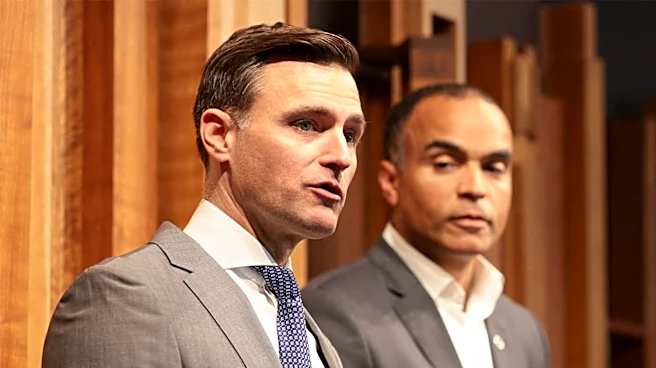
Oregon is intensifying its antitrust enforcement efforts as federal oversight under the Trump administration has become more lenient. The state's Attorney General, Dan Rayfield, has requested additional resources to bolster the Antitrust Division, aiming
to address rising consumer costs attributed to unchecked corporate consolidations. This move comes as part of a broader trend where states are taking the lead in antitrust actions, often collaborating to challenge major mergers and acquisitions. Recent examples include Oregon's involvement in opposing the Nexstar Media Group and Tegna merger, as well as the Kroger-Albertsons grocery merger. The state's actions are driven by concerns over limited consumer choices and escalating prices in essential services like groceries, cable, and internet.
Why It's Important?
The expansion of Oregon's antitrust efforts highlights a significant shift in regulatory dynamics, where states are stepping up to fill the void left by federal agencies. This development is crucial for consumers who face higher costs and fewer choices due to corporate mergers. By increasing its antitrust capacity, Oregon aims to protect consumers and maintain competitive markets. This state-led initiative could serve as a model for other states, potentially leading to a more decentralized approach to antitrust enforcement in the U.S. The outcome of these efforts could influence national policy and reshape the landscape of corporate mergers and acquisitions.
What's Next?
Oregon's legislative session may see proposals to further expand antitrust laws, potentially addressing gaps in current regulations. The state's increased focus on antitrust could prompt other states to enhance their enforcement capabilities, leading to more collaborative actions against corporate consolidations. Businesses may need to reassess their merger strategies in light of heightened state scrutiny. Additionally, the federal government's response to this state-led initiative could shape future antitrust policies, especially if consumer advocacy groups and political leaders push for stronger federal oversight.